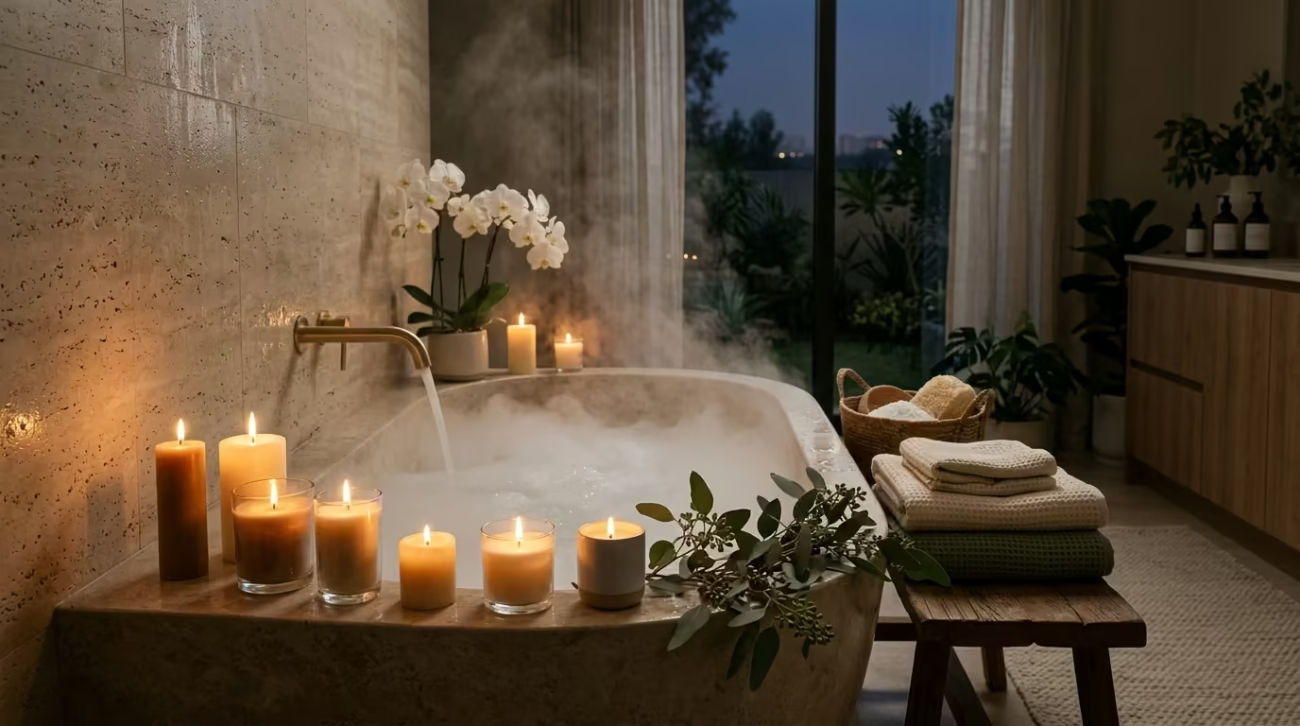

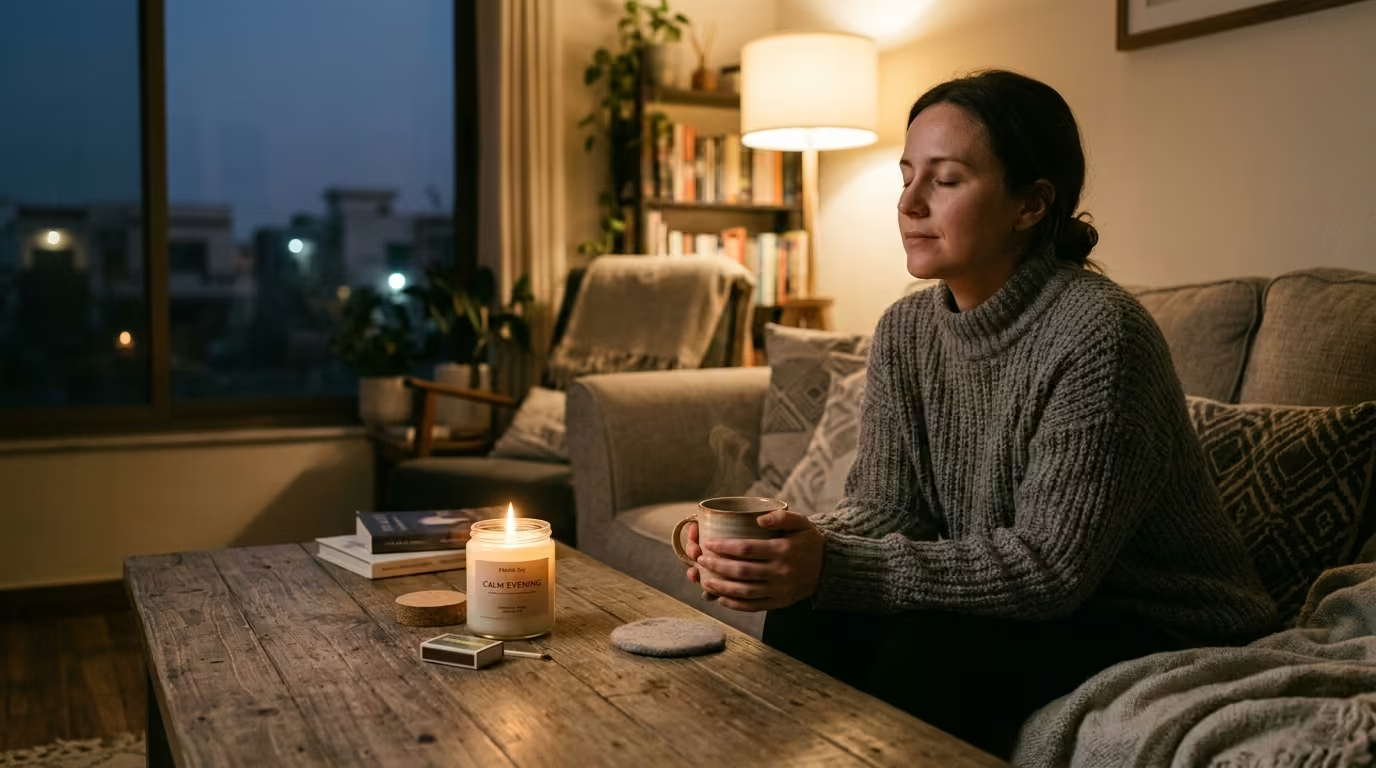
The marketing says yes without blinking. Calm on the label, lavender on the picture, and the implication that a flame will fix the evening. But candle-lovers have asked the honest question for years: is the calm real, or is the label doing all the work? After all, a soy candle is wax, a wick, and fragrance. The magic must come from somewhere.
The answer matters because it changes how you buy. Do scented candles relax you turns out to be a layered question, part science, part ritual, and part expectation. This guide separates the genuine effects from the indulgence, and shows how to get the most calm out of a scented soy candle without pretending it is medicine. The linked calming sleep scent guide offers more ideas for a gentle bedtime routine.
What the Science Actually Says
The research on scent and stress is more supportive than sceptics expect, and more modest than the labels imply. Studies of certain essential oils show measurable shifts in reported calm, heart rate, and even cortisol in some trials. Lavender leads the evidence. The effect is real, gentle, and consistent.
The Lavender Evidence
Lavender appears in the largest share of the research, with several studies associating it with lower reported anxiety and improved sleep feel. The mechanism is not mystical: scent molecules reach the emotional centres of the brain and nudge them toward calm. Expect relaxation, not sedation. If this is useful, our guide on How to Choose a Candle Scent for Your Bedroom goes further into related ground.
Other Calm Families
Citrus scents associate with uplift, rose with comfort, and chamomile and sandalwood with calm in smaller studies. The reliable pattern is that soft, familiar, natural-family scents help most people settle, while loud novelty blends do not. Choose the gentle families and the science works with you.
The Other Half: the Ritual Effect
The candle’s second contribution has nothing to do with chemistry and everything to do with behaviour. Lighting a candle is an act of switching things off. The flame marks the moment the laptop closes, the phone leaves the hand, and the evening takes over. Ritual effects are real, measurable, and huge.
The Boundary Marker
When you light a candle at the same time each evening, the behaviour becomes a boundary. The brain learns: flame on, work off. Even an unscented candle would do part of this job. The scent adds its own calm signal on top, which is why the duo works better than either alone.
The Non-Screen Interval
The candle gives your eyes something warm to look at instead of a glowing screen. Dim lighting reads as rest to the body’s clock, and the forced pause lasts as long as the flame. That interval of enforced quiet, however short, is one of the most underrated calm tools in the house.
Getting Real Calm From a Scented Soy Candle
The calm is available to anyone, but it pays to set the conditions. Expecting a candle to fix a frantic hour on its own leads to disappointment. Pair the candle with the right evening habits and the effect compounds across the week.
- Pick a proven calm scent like lavender or chamomile.
- Light it at a set time each evening to build the habit signal.
- Use it while lights dim and screens switch off.
- Choose natural wax for a clean burn and steady scent.
- Pair it with one offline ritual, a book, tea, or stretches.
The Room Conditions
Calm candles work hardest in lowered lighting with clean air. Draw curtains, dim the lamps, and let the candle be the brightest thing in the room. That visual shift alone moves the nervous system toward quiet, and the lavender rides the dark beautifully.
The Habit Compounding Effect
The first candle night feels pleasant. The tenth feels like part of the evening. Scent memory stacks: every lavender-lighted evening strengthens the association until the scent alone triggers calm the moment it warms the room. This compounding is the single biggest quiet power of a bedtime candle habit.
Choosing a Candle That Earns Its Calm
A cheap novelty candle undermines its own promise, burning fast, sooting the air, and throwing a synthetic aroma that annoys more than it calms. A well-made natural wax candle delivers the ingredients the science relies on. Wax quality and honest oils are not luxury; they are the functional core of the relaxing candle.
Why Soy Helps the Equation
Soy wax burns coolly and cleanly, releasing fragrance at a steady rate that suits a long calm evening. It produces little soot, which keeps the bedroom air friendly for the hour-long quiet burn. The clean, slow profile of soy is genuinely the right base for a relaxation candle.
What the Label Should Say
Look for named oils like lavender, chamomile, and bergamot in simple, honest wording. A candle that tells you exactly which calm scent it carries lets you pick the one the science supports. Vague “relax” blends without named ingredients leave you guessing at exactly the moment you want certainty.
The Honest Limits
Calm candles are support, not treatment. If stress is constant, heavy, or affecting sleep, a candle is a pleasant comfort but not an answer. It can, however, be a lovely first step toward better evenings, and the ritual often unlocks the better habits the real recovery needs. Kind expectations keep the candle honest.
When the Candle Works Best
It shines at the edges of the day: the half hour before bed, the Saturday bath, the moment after work. Those are the soft targets where a small calm signal has room to work. Forcing a candle to fix a crisis asks too much of any wax.
When to Reach Beyond the Candle
If nights stay restless, or the stress remains regardless of the ritual, professional help beats candles every time. The two are not rivals. A candle can lift the evenings while advice fixes the roots. Use the candle for what it does well and seek help for what it cannot do at all. For comparison, our scented candles collection covers a wider range of styles and prices.
Create Relaxation Without Overclaiming
Make the Ritual Consistent
A scented soy candle may help a person relax because scent, light, and routine work together. That effect is personal and should not be presented as medical treatment. The household can use the candle during reading, bathing, or quiet music. A consistent time and a clean surface help the ritual feel deliberate. The flame must still be supervised.
Choose a Gentle Soy Scent
Soft floral or honeyed notes can feel comfortable without filling every corner of a room. The reader should begin with a short burn and adjust the position if the scent feels strong. A honeysuckle soy candle offers a mild soy-based option for testing a relaxing evening routine.
Frequently Asked Questions
Do scented candles really help with stress?
Scented candles genuinely support calm when the conditions are right. Soft natural scents like lavender associate with lower reported stress, and the lighting ritual adds a strong behavioural signal on top. The effects are gentle and real, not sedative. Expect support rather than transformation.
Is there science behind lavender candles and relaxation?
Yes. Lavender holds the strongest evidence base among scent families, with studies linking it to lowered reported anxiety and calmer evening feel. The route is scent-to-brain, direct and physical. A well-made lavender candle in natural wax delivers that scent reliably.
Do soy candles smell better than paraffin candles?
Most people find soy candles smell truer and more even. Soy releases fragrance at a cooler, steadier pace and burns almost soot-free, so the aroma stays clean. Paraffin can burn hotter and throw a louder but muddier scent. For relaxation candles, clean and steady wins.
How long should I burn a relaxation candle?
Run a relaxation candle for about 45 minutes to an hour in the evening wind-down. That window fills the room with scent and matches a natural quiet interval. Trim the wick before each burn and let the full wax pool melt across the top for an even next burn.
Can a candle be burned while sleeping?
Never leave a candle burning unattended, including during sleep. Burn relaxation candles through the wind-down window, then extinguish before settling in. The room keeps the scent anyway, so the calm signal persists through the night without the flame.
What scent is best for winding down?
Lavender leads for winding down, with chamomile, rose, bergamot, and sandalwood close behind. All sit in the soft, familiar families that the calm research favours. A clean soy base carries these scents gently, which suits the slower pace of an evening burn.
Are scented candles safe to burn indoors?
Yes, when mindful. Trim the wick, keep candles away from draughts and soft furnishings, and never leave them burning unattended. Burn natural wax in ventilated rooms for the cleanest air. Follow the label’s guidance and a scented soy candle is safe for ordinary home evenings.
Where can I find a genuinely relaxing soy candle?
The scented candles range at Christmas Candles UK includes clean soy and olive-wax jar candles with named calm scents. Pick a lavender or chamomile jar, pair it with a set evening time, and let the science and the ritual do the relaxing.
Conclusion
Do scented candles relax you? Yes, honestly, within sensible limits. The science backs lavender and the calm families, the ritual of lighting adds a strong behavioural signal, and the clean burn of soy supports both. The candle works best as a gentle wind-down partner, not a medicine, and it compounds into real calm when the same scent marks the same calm time each evening.
Give tonight’s quiet time a proper ally. Choose a named calm scent from the scented candles collection at Christmas Candles UK, light it at the same moment, and let the science and the ritual soften the evening together.