
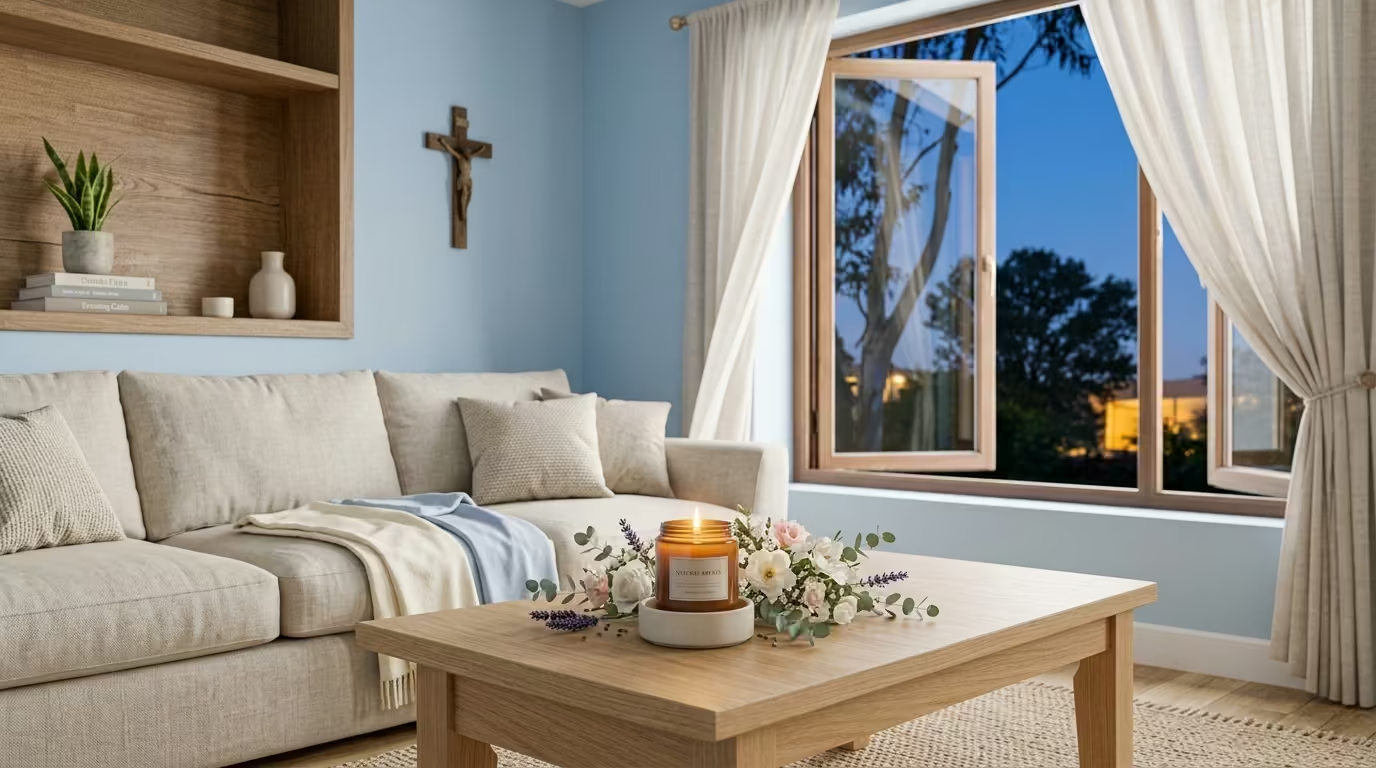
Two rooms in every home tell the same quiet story. One smells fresh and inviting the moment the door opens, and nobody can say why. The other smells like a candle shop had an argument with a bakery, and the scent sticks to your coat. The difference is not money and it is not fancy products. It is restraint.
A room that make a room smell good does it by balance: a little fragrance, a lot of freshness, and nothing fighting for attention. This guide covers the simple methods, candle-led and otherwise, that scent a home gently enough that guests notice the feeling before they notice the smell. The linked fragrance throw guide shows why placement and room size change the result.
The Emptiness Rule: Fresh Generation
No odour, no masking, is the first principle. A room that smells good starts with what is absent: bins emptied, surfaces wiped, bedding aired. Fragrance layered on top of staleness produces a staleness that smells of lavender, which is worse than either alone.
The Ten-Minute Clean
Ten minutes of targeted cleaning beats an hour of fragrance: bins out, dishcloth changed, towels aired, sofa cushions flipped. The room’s own smell rises, and suddenly the candle has something pleasant to partner. Freshness first, fragrance second, always in that order. This connects closely with our guide on How to Reuse Old Candle Jars and Leftover Wax.
Air, the Free Fragrance
Open the windows for five minutes a day, even in winter. The air swap removes the stale base that every candle then fights. Skimp on this and the fragrance budget is spent masking instead of scenting. Fresh air is the cheapest, most effective room fragrance on the market.
Choosing One Voice Over Three
The most common overpowered-room cause is a pile-up: three candles, a diffuser, and a reed arrangement all talking at once. Each product is fine alone; together they shout. The plainer rule is one dominant voice per room, with everything else either silent or support-level.
The Hero-and-Silence Method
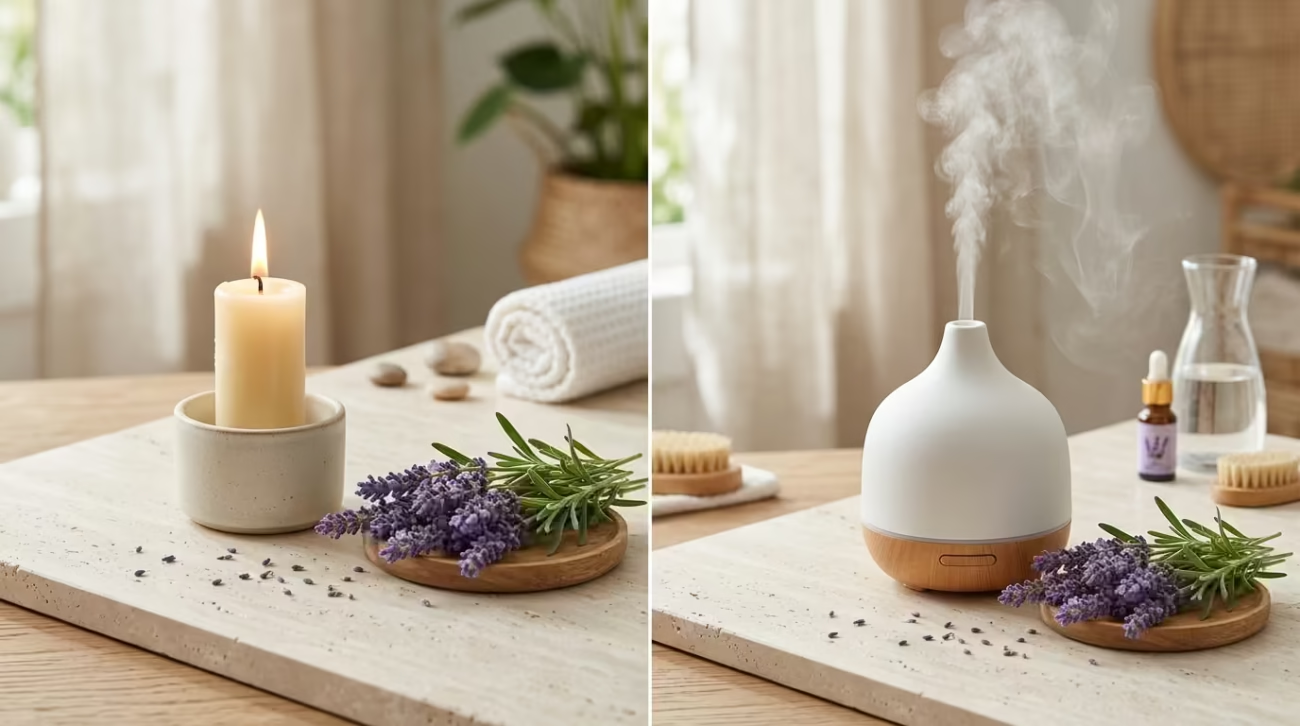
Choose one candle or one diffuser as the room’s scent hero. Everything else stays neutral: no competing candles, no scent wars at the doorway. The hero gets a clear, gentle stage, and the room gets an identity instead of a mash-up. Restraint here is what makes rooms that smell “expensive”.
Strength to the Room
Match the voice’s strength to the room’s size. A compact jar in a living space, a small light candle in a bedroom, a robust diffuser in an open-plan area. Too strong for the room is the same error as too many sources, and the fix is identical: dial the strength down.
The Candle’s Role in the Gentle Scent Plan
Candles are the easiest tool to overdo and the easiest to get right. In the gentle-scent plan, the candle is a short, warm, deliberate accent, not a round-the-clock diffuser. Used that way, it becomes the room’s personality without ever overwhelming.
- Light one candle at a time in a room.
- Gently scented jars over loud novelty blends.
- About an hour of burning is plenty.
- Position away from drains and bins so it scents, not masks.
- Match scent family to the room’s use, quiet for the bedroom.
The One-Candle Rule
One gently scented candle carries a normal room fully. A second flame adds warmth but also competition. If the room still wants more after one good jar, the problem is usually the room’s base odour, not the candle count. Fix the room, keep the single flame.
Gentleness by Design
A softly scented natural-wax candle reads as clean and considered; a loud synthetic throw reads as effort. The gentle burn leaves the kind of fragrance guests describe as “subtle” and “lovely” rather than “what is that smell”. Gentleness is a design choice long before it is a tolerance choice.
Scenting by Room and Style
Different rooms ask for different voices, and matching the scent to the room keeps everything light. The living room, the hallway, and the bedroom need character each. When each room owns one gentle identity, the whole home smells coherent without a single strong fragrance doing it.
Living Room and Hall
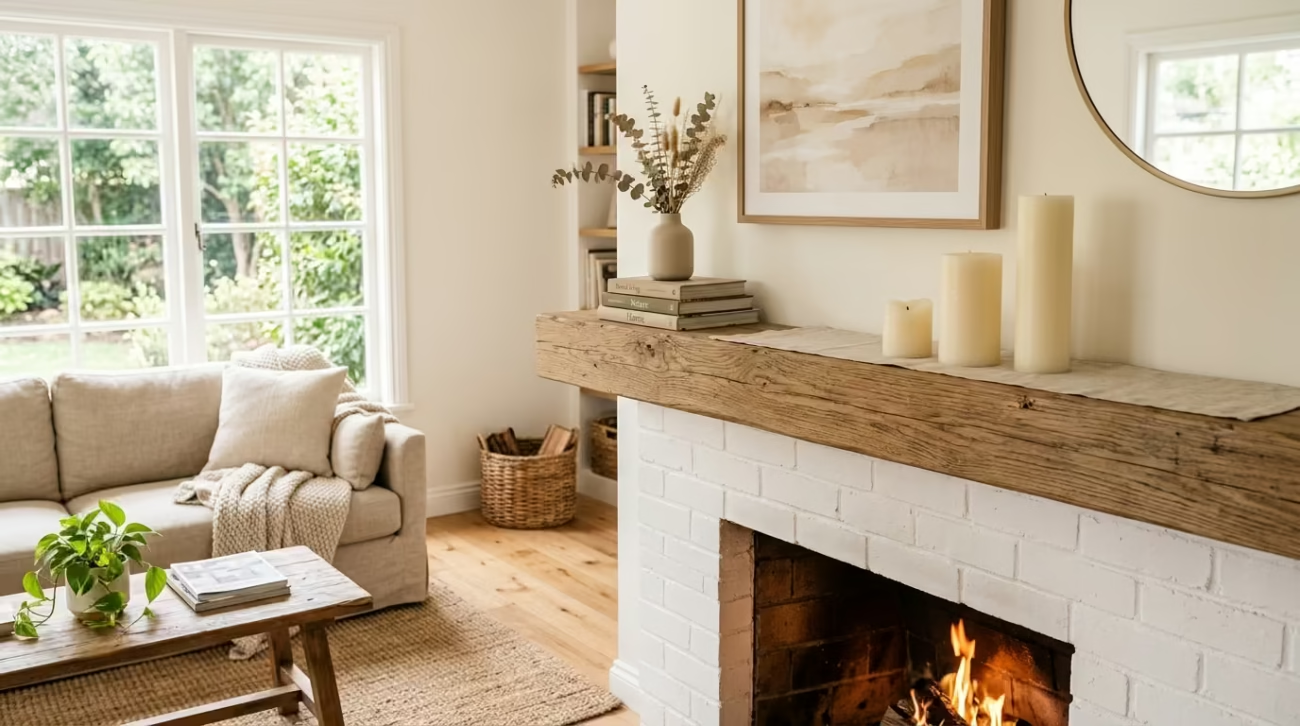
The living room wants warm and inviting: softly spiced, warm woods, or gentle gourmand notes. The hall wants a neutral first impression: fresh cotton or light citrus. Both stay at whisper volume so the change between rooms reads pleasantly, not as layers of competing spray.
Bedroom and Bathroom
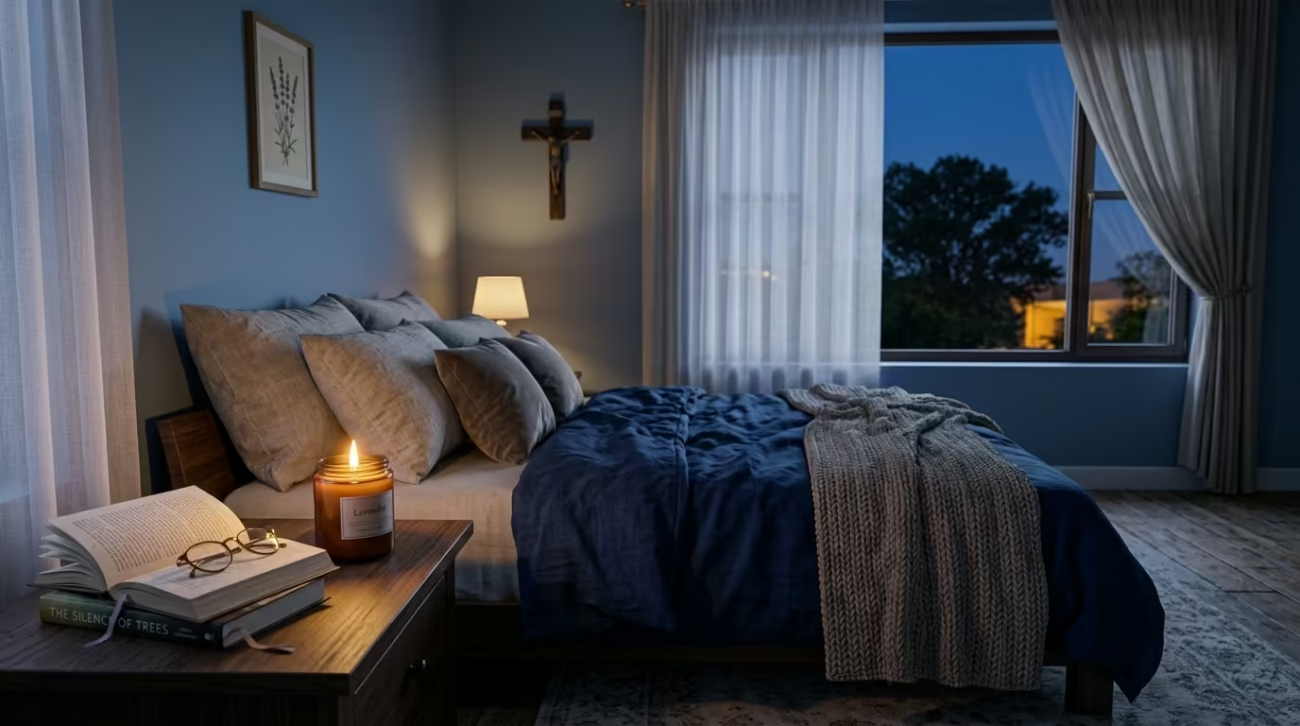
The bedroom keeps calm florals and vanilla-style comfort at the lowest volume. The bathroom wants clean and green, eucalyptus or fresh linen, at a strength that survives the steam. Both rooms reward the gentlest jar on the shelf, because close small spaces fill quickly and overfill even faster.
The Season of Scents
Rooms also smell best when their scent matches the season. Heavy sweetness suits December; it chokes a June afternoon. Keeping a small seasonal rotation means the fragrance never fights the world outside the window, and gentle living rooms feel fresh precisely because they agree with the weather.
Winter: Warm and Low
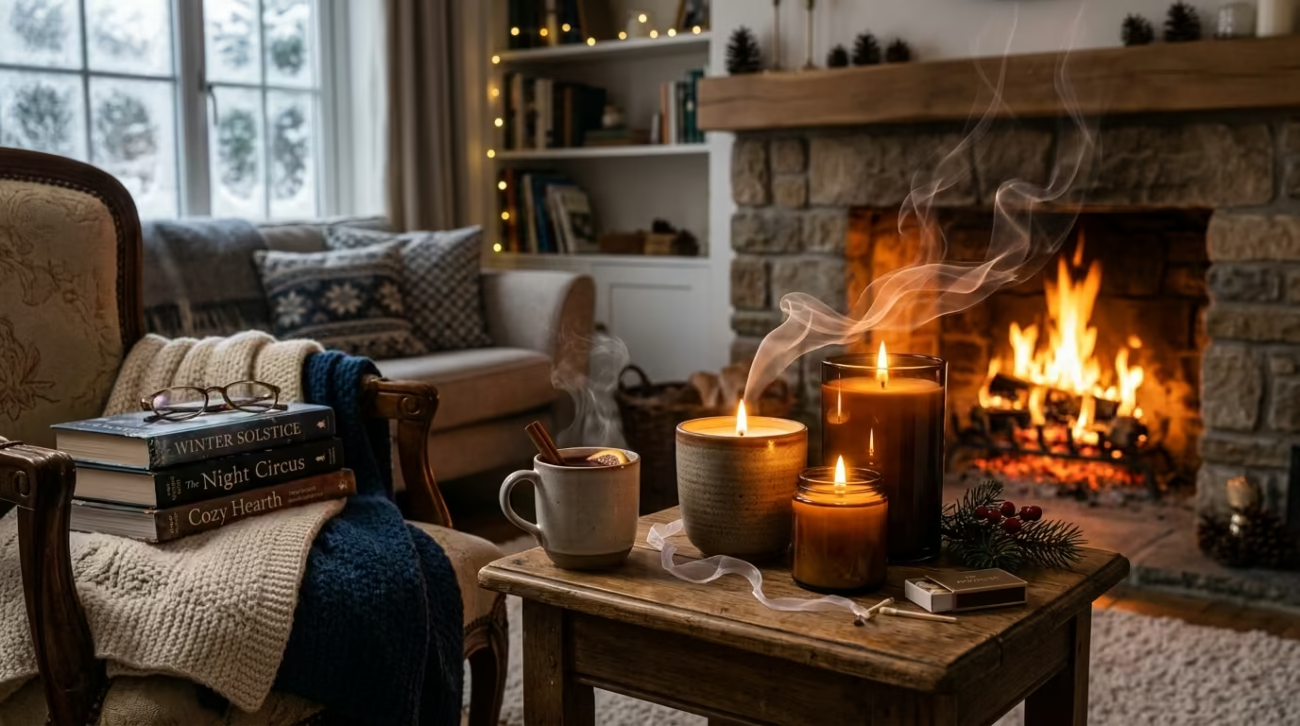
In winter, warm spice, cedar, and soft gourmand candles at low strength fill the closed-season glow. The windows shut and the house holds fragrance, so the volume drops even lower than summer. Winter scenting is about warmth over volume, and gentle candles carry it perfectly.
Summer: Light and Airy
Summer wants citrus, fresh greens, and clean cotton, roughly half the strength of winter. Windows open, the air moves, and the fragrance gets carried away anyway. Matching the season keeps the home in tune, which is the deepest trick behind rooms that always smell right.
Make Scent Travel Gently
Start With Room Size
A pleasant room scent depends on volume, airflow, and the location of the candle. A small candle may suit a study but disappear in an open-plan kitchen. The household should start with one candle near the main living area and wait before adding another. This prevents a strong build-up and shows where fragrance actually travels. Our scented candles range is worth a look if you want to compare a few options first.
Use a Steady Everyday Base
A soy candle can provide a soft background note for ordinary evenings. A home fragrance soy candle gives the reader a simple home-fragrance reference without requiring several competing scents. The flame should stay away from doors, fans, and fabrics. Small changes in placement often improve the result more than a stronger fragrance.
Frequently Asked Questions
How do I make my room smell good without using too much?
Layer freshness and scent: clean surfaces, open the windows for five minutes daily, then use one gently scented candle or diffuser as a single voice. Restraint over intensity is the whole secret. Guests will remember that the room felt fresh long before they name the smell.
What is the best room scent that is not overpowering?
Soft natural families in gentle strengths: cotton, light florals, soft citrus, or vanilla at low volume. On the candle shelf, an olive-wax jar with a whisper of fragrance reads as clean and subtle. Match the family to the room and keep the strength a notch below what the shop suggests.
How many candles should I burn in one room?
One. A single gently scented candle covers a normal room completely. Two or more competing flames produce a muddle that reads as overpowering effort. If one candle is not enough, clean the room’s base odour first rather than adding a second flame.
Why does my room smell overpowering after candles?
Usually a pile-up: too many candles, too strong a blend, or fragrance layered onto a stale base. Fix with subtraction: one candle, gentler strength, and a proper airing first. A room can only hold so much scent; the surplus reads as overpowering.
Do scented candles make a room smell cleaner?
They add a pleasant fragrance, but they mask rather than clean. Straighten the room itself, bins out and air in, and the candle stops masking and starts scenting. The freshest-smelling rooms owe most of their appeal to actual cleanliness.
How long should I burn a candle for a fresh room?
About 45 minutes to an hour. The open candle releases fragrance for the whole session, and the room keeps a trace scent afterwards. Longer marathon burns load the air past the fresh point. Short and gentle keeps the sweet spot that guests describe as lovely.
What is the strongest tool for room scent control?
The window, by a distance. Daily airing removes stale odours permanently, which no fragrance can do. Scent products then layer onto genuinely fresh air, which is why they perform their best work right after an airing.
Where can I buy gentle room scenting candles?
The scented candles range at Christmas Candles UK carries softly fragranced natural-wax jars in calmer families. Pick one gentle jar per room, keep it at whisper strength, and let fresh air do the heavy lifting while the candle does the character.
Conclusion
Rooms make a room smell good through subtraction: clean the surface, air the air, and choose one gentle voice instead of three shouting ones. The candle becomes a quiet accent, softly scented natural wax burned for about an hour, matched to the room and the season. The result smells like a considered home rather than a fragrance aisle.
Give your rooms the fresh plan. Choose one gentle jar from the scented candles collection at Christmas Candles UK, open the window first, and let subtlety make the memory.