
Walk through any candle shop and the phrase “aromatherapy” appears on jars, boxes, and gift sets. Shops sell them as relaxation in a flame, but the label gets thrown around loosely. Many so-called aromatherapy candles are simply scented candles with a calm picture on the front. The genuine thing works a little differently.
An aromatherapy candle is a candle made with essential oils rather than synthetic fragrance, usually in a natural wax, designed so that the released aroma contributes to wellbeing as much as it does to atmosphere. This guide defines the real thing, separates it from ordinary scented candles, and explains how to tell them apart before you buy. The linked beginner candle aromatherapy guide explains how to start with a calm, simple routine. For decorative variations, our zodiac and crystal candle guide discusses their styling and safe use. If this is useful, our guide on Zodiac and Crystal Candles Explained goes further into related ground.
The Definition, Plainly
At its simplest, an aromatherapy candle is a candle whose aroma comes from essential oils, the concentrated natural plant extracts used in aromatherapy practice. The fragrance is not just decoration; it is the point. The wax base, the oil blend, and the burn are all chosen so the scent carries the plant’s character into the air while the candle burns.
Essential Oils vs. Synthetic Fragrance
The crucial difference sits in the ingredient list. Essential oils are distilled from plants, flowers, roots, and peels. Fragrance oils are laboratory blends built to smell like a flower, a dessert, or a fantasy. Both can smell lovely, but aromatherapy candles rely on the essential oil version because that is the material associated with the therapeutic tradition.
The Wax Connection
Aromatherapy candles pair best with natural waxes like soy, olive, or beeswax. These waxes burn cleanly and release the essential oils gradually instead of scorching them. A paraffin base burns hotter and can mask or burn off the more delicate oil notes, which is why natural wax dominates the genuine aromatherapy category.
How an Aromatherapy Candle Works
The mechanism is simple physics with a therapeutic claim attached. When the wick burns, the heat melts the wax pool, and the essential oils within the wax vaporise into the room. You then breathe them through the nose, where the scent messages travel to the brain’s limbic system, the region tied to emotion and memory.
The Scent-to-Mood Route
This is the whole idea of aromatherapy through a candle: aroma inhaled, brain gently nudged. Lavender leads toward calm, citrus toward brightness, eucalyptus toward fresh-headed clarity. The candle becomes a delivery system for the plant’s aromatic signature, and the ritual of lighting it adds calm in its own right.
Faster and Subtler Than a Diffuser
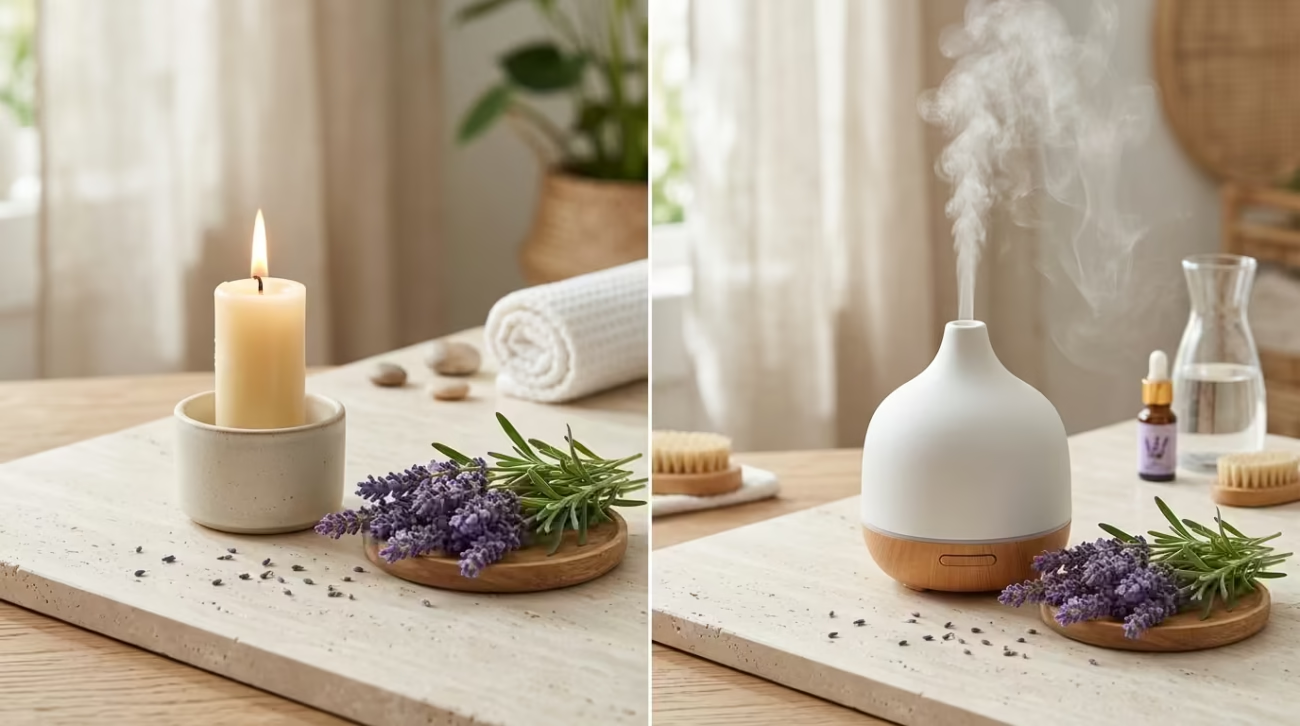
A candle delivers its aroma all at once from a warm, flickering source. It suits evenings when you want immediate ambience alongside the scent. A diffuser runs for hours with a steadier output. The candle is not better, just immediate, warm, and atmospheric, which is often precisely what a winding-down moment needs.
Aromatherapy vs. Ordinary Scented Candles
The retail shelf blurs the two on purpose. Here is the honest split, so the label surprises nobody. Scented candles aim at the nose; aromatherapy candles aim at the mood. One makes a room smell beautiful; the other starts from the plant and its effects.
- Base: Ordinary candles use any wax; aromatherapy candles favour natural wax.
- Scent source: Ordinary uses fragrance oils; aromatherapy uses essential oils.
- Claim: Ordinary scents decorate; aromatherapy scents are chosen for effect.
- Strength: Ordinary scents can be loud; aromatherapy notes are usually gentler.
- Price: Essential oils cost more, so genuine aromatherapy costs more.
Reading the Label Before You Buy
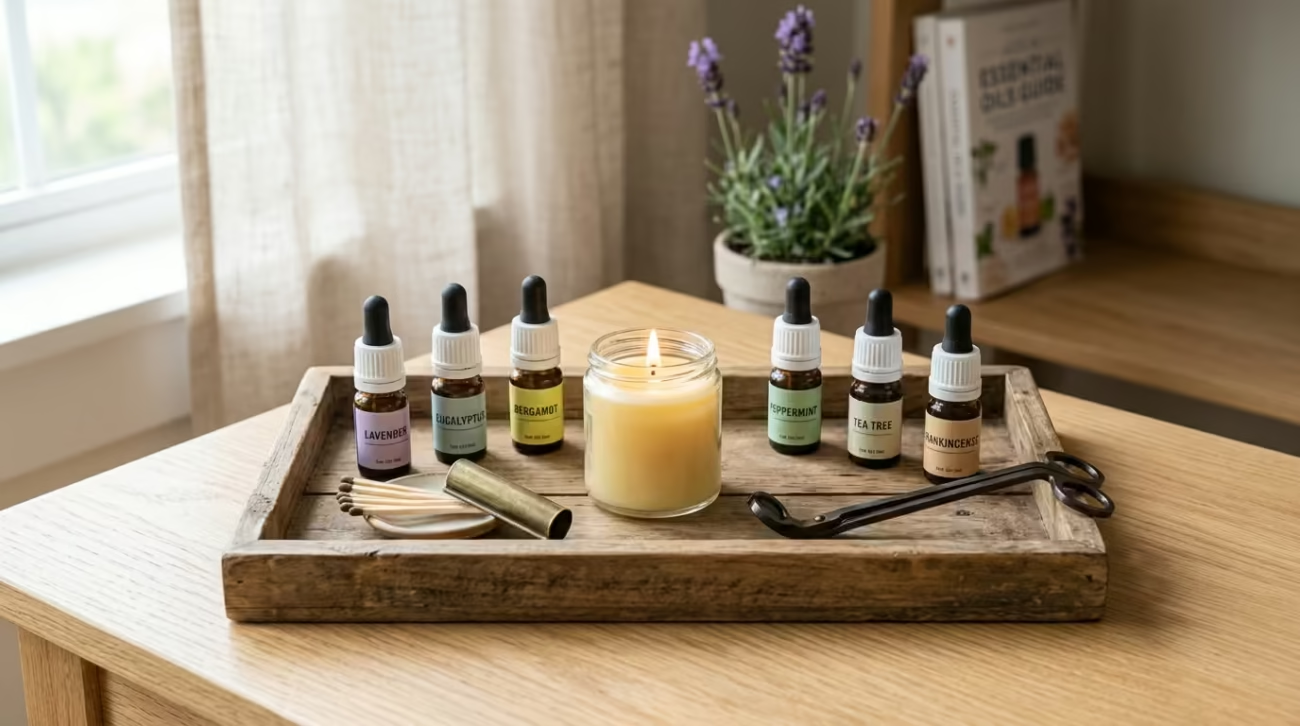
Check the words “essential oils” and a named plant in the ingredient list. Real aromatherapy candles say lavender essential oil or bergamot essential oil. Vague promises like “calm blend” with a synthetic-fragrance listing means scented-with-theme, not aromatherapy. If the tiny print lists fragrance, you have a scented candle.
Warm, Clean, and Honest
Genuine plant essential oil candles burn with a softer, more authentic scent profile than their synthetic siblings. They read as clean and natural rather than candy-sweet. For many buyers that honesty is exactly the aesthetic, and it is also the reason the category holds a premium price.
Uses and Rituals Around the Home
Aromatherapy candles earn their keep in the rooms where you deliberately wind down. They are ritual objects as much as lighting. The act of lighting one becomes a signal, this portion of the day is for calming down, and that signal works even before the scent reaches your nose.
The Evening Calm Ritual
Light a lavender or chamomile blend about half an hour before bed and let it run while you wash up or read. The scent fills the bedroom gradually, creating the environment for sleep. The warm flicker also drops artificial light levels, which supports the body’s natural wind-down.
The Bath and Yoga Spaces
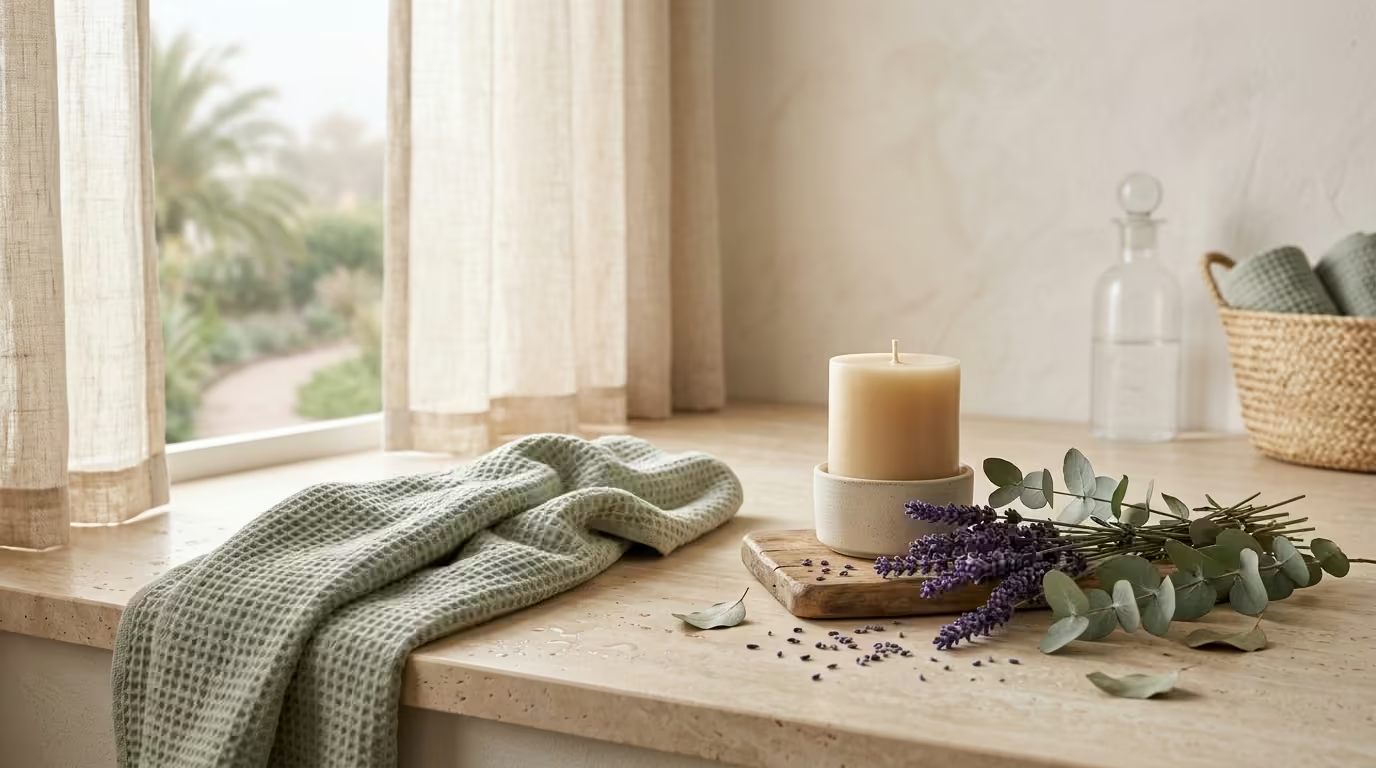
The bathroom converts immediately into a spa corner with a clean essential-oil candle lit at the edge of the tub. The calming notes ride the steam nicely. A softer floral or herb blend in the yoga corner sets the mindful tone before you start the practice, which is the candle at its most useful. For comparison, our scented candles collection covers a wider range of styles and prices.
Understand Aromatherapy Claims
Separate Scent From Treatment
A candle can support a calming routine, but it should not be treated as medical care. Aromatherapy labels may refer to essential oils, fragrance blends, or a general mood. The reader should check the ingredients and avoid promises that sound too certain. A quiet ritual, lower lighting, and a pleasant scent can help a routine feel different without claiming to cure a condition.
Choose a Clear Burning Routine
The candle should be used in a ventilated room and kept away from fabrics. The household should follow the burn limit, trim the wick, and stop if irritation appears. An aromatherapy candle can bring a decorative aromatherapy note to a simple routine. The experience should remain comfortable, supervised, and realistic.
Frequently Asked Questions
What is the difference between an aromatherapy candle and a scented candle?
An aromatherapy candle uses natural wax and essential oils chosen for wellbeing, while an ordinary scented candle uses synthetic fragrance aimed at scent alone. Read the ingredients: named essential oils point to aromatherapy, while “fragrance” alone means scented.
Do aromatherapy candles actually work?
Aromatherapy candles deliver essential oils through inhaled, warm aroma, and the scent-to-mood route is real, lavender genuinely reads as calming and citrus as uplifting. Effects are gentle and individual rather than medical. The ritual of lighting the candle adds as much calm as the oil.
What scents are best for relaxation?
Lavender is the classic calm scent, with chamomile, rose, sandalwood, and sweet orange close behind. These families appear most often in genuine aromatherapy blends. For sleep specifically, lavender leads the list. For morning brightness, bergamot and citrus take over.
Are aromatherapy candles safe?
Yes, when standard candle care is followed. Keep the wick trimmed, burn within the recommended sessions, and never leave candles unattended. Be cautious with strong oils if sensitive; some essential oils are more vigorous than others. Pregnant women should check individual oils with their doctor.
Can I use an aromatherapy candle for anxiety?
Many people find the calm ritual and gentle scents supportive for everyday stress, lavender and chamomile being the favourites. An aromatherapy candle is a comfort tool, not treatment. For persistent anxiety, professional medical advice remains the right route.
How long does an aromatherapy candle burn?
Burn time depends on size and wax. Natural wax candles burn steadily and often long, because the oil content is modest and the wax pool is stable. Jar candles of a few hundred grams typically run many sessions. Trim the wick and each session burns clean.
Why are aromatherapy candles more expensive?
Essential oils cost far more to produce than synthetic fragrance. Natural wax also costs more than paraffin. Those two ingredients drive the premium. The higher price buys authentic ingredients and a cleaner burn, which is precisely why genuine aromatherapy candles cannot match the price of a synthetic lookalike.
Where can I buy a genuine aromatherapy candle?
The scented candles range at Christmas Candles UK includes natural plant essential oil options with honest ingredient labels. Search the essential oil picks for the true aromatherapy style. Choose a named lavender or floral blend and the burning becomes a genuine calm-down ritual.
Conclusion
An aromatherapy candle is a candle built around essential oils in natural wax, aimed at mood instead of decoration. It works through the simple route of scent-in, calm-and-clarity-out, delivered by a warm flickering flame. The label demands scrutiny, named essential oils rather than vague “fragrance”, but the genuine article rewards the check with a cleaner, more honest burn.
Try a true aromatherapy candle in tonight’s wind-down and feel the difference in the room. Browse the natural essential oil picks in the scented candles collection at Christmas Candles UK and start a ritual that calms both the home and you.