
Light one candle and the room smells nice. Light two or three in the right combination and the room feels dimensional, complex, and deliberately warm. Most people never try, because they assume mixing scents means clashing. In reality, the pros do it all the time, and so can you with a few simple rules.
Layer candle scents is one of the fastest ways to upgrade a whole home for winter. The method uses candles of different characters placed in different rooms, or grouped together, to build a fragrance that shifts as you move. This guide explains how scent families combine, which pairings always work, and how to layer without overwhelming anyone. The linked candle fragrance throw guide explains why two scents can fill a room differently. Our guide on How to Make a Room Smell Good (Without Overpowering It) covers this in more depth.
The Basics of Scent Layering
Layering means combining two or more scents so they interact into a richer whole. Think of a chord in music, three notes make a fuller sound than one. Candles work the same way. Each scent contributes a note, and the blend becomes the atmosphere.
The Scent Family Method
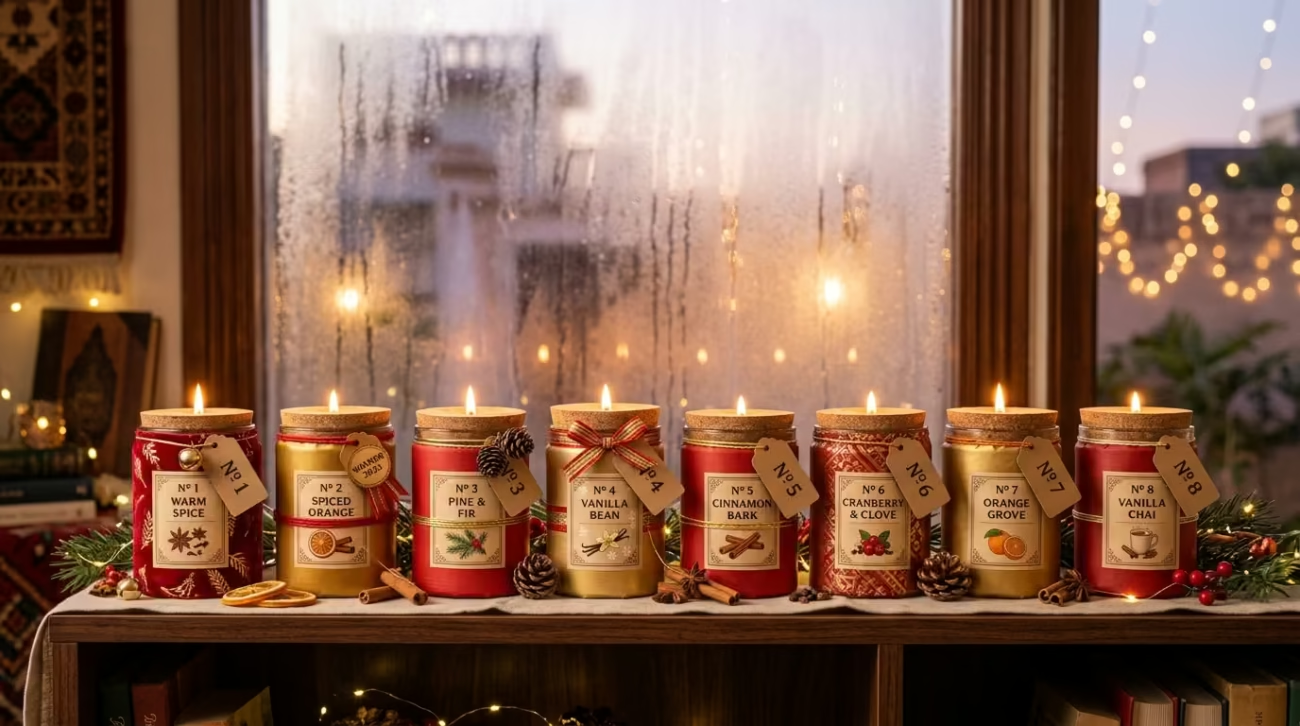
Fragrances group into families: gourmand, floral, fresh, woody, and spice. Layering works best when candles sit within compatible families or bridge two neighbours. A gourmand vanilla with a woody amber feels luxurious. A fresh pine with a spice cinnamon feels festive and clean at once.
Start With One Anchor
Choose one dominant scent as the anchor, then add supporting candles at lower presence. The anchor defines the room’s mood; the supports round it out. If you light three candles of equal strength, they compete. Anchored layering gives one clear personality with depth.
Pairings That Always Work in Winter
Winter calls for warm, grounding combinations. These five pairings are the layering equivalent of a safe recipe, balanced, proven, and hard to get wrong. Use them as your first ventures into scent mixing.
- Vanilla + Spiced Orange: cosy base with a bright, festive lift.
- Cinnamon + Pine: kitchen warmth against fresh evergreen air.
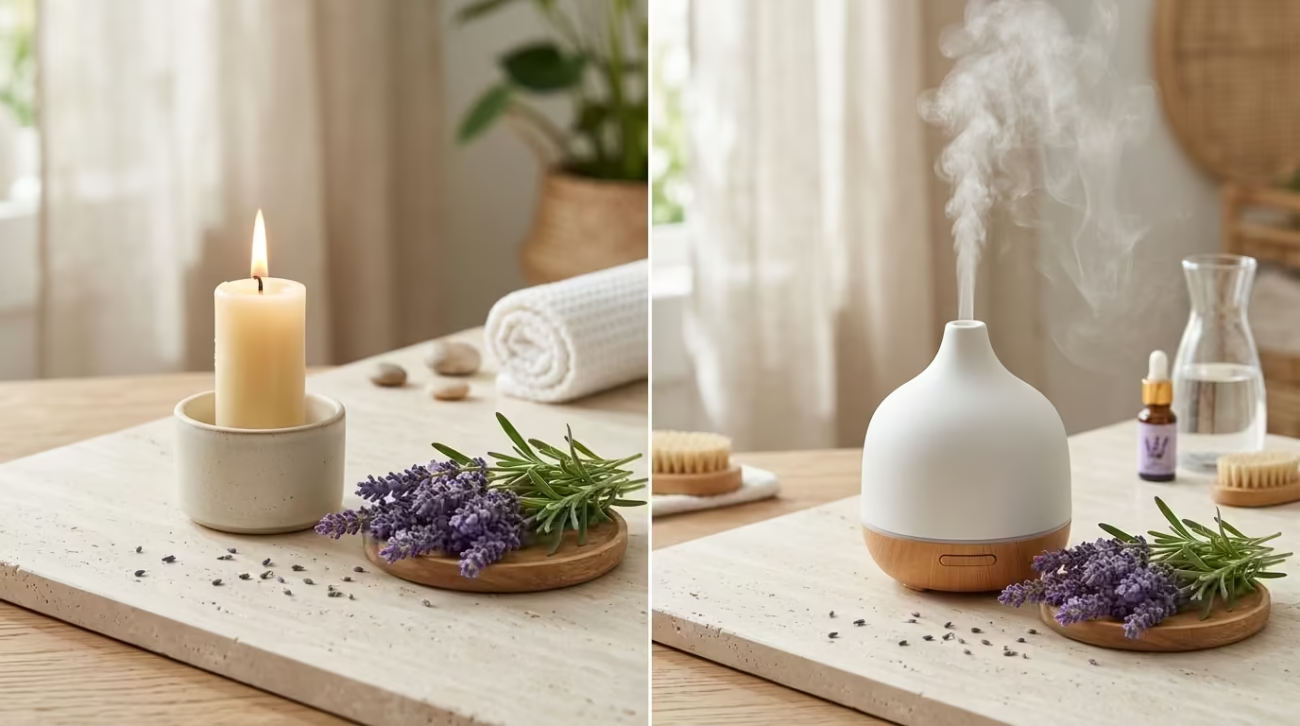
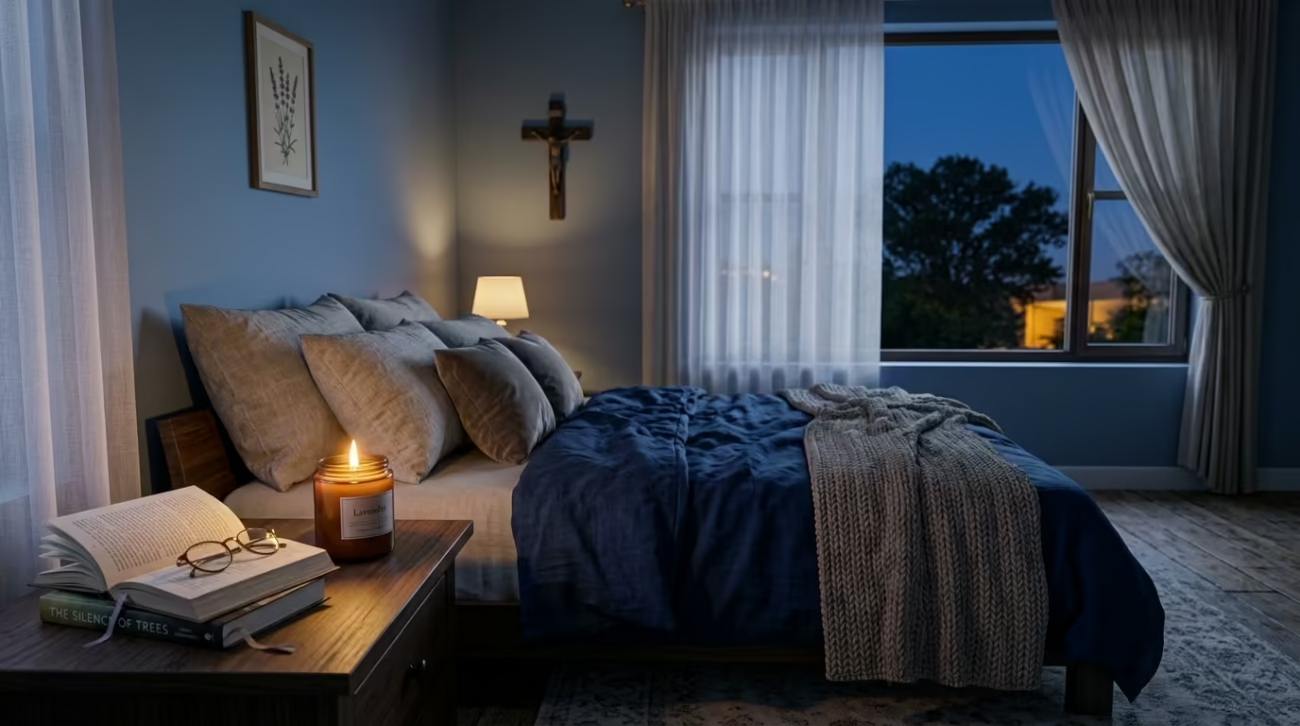
- Lavender + Amber: calming softness with a deep, amber glow.
- Apple Cinnamon + Cedar: baked sweetness against dry wood.
- Rose + Sandalwood: floral elegance softened by woody cream.
The Gourmand-Woody Blend
Vanilla, caramel, or shortcake candles layered beneath a cedar or sandalwood candle produces the most reliably cosy combination of the season. The sweet base warms the room, and the woody top note stops it from being cloying. It is the scent equivalent of a knit blanket and a fire.
The Fresh-Spice Blend
Pine or eucalyptus coupled with cinnamon or clove gives a festive freshness with spice. It suits open-plan kitchens and halls where a pure food scent would read heavy. The freshness carries the spice, and the spice warms the freshness, the perfect winter give-and-take.
Placing Candles to Build Layers
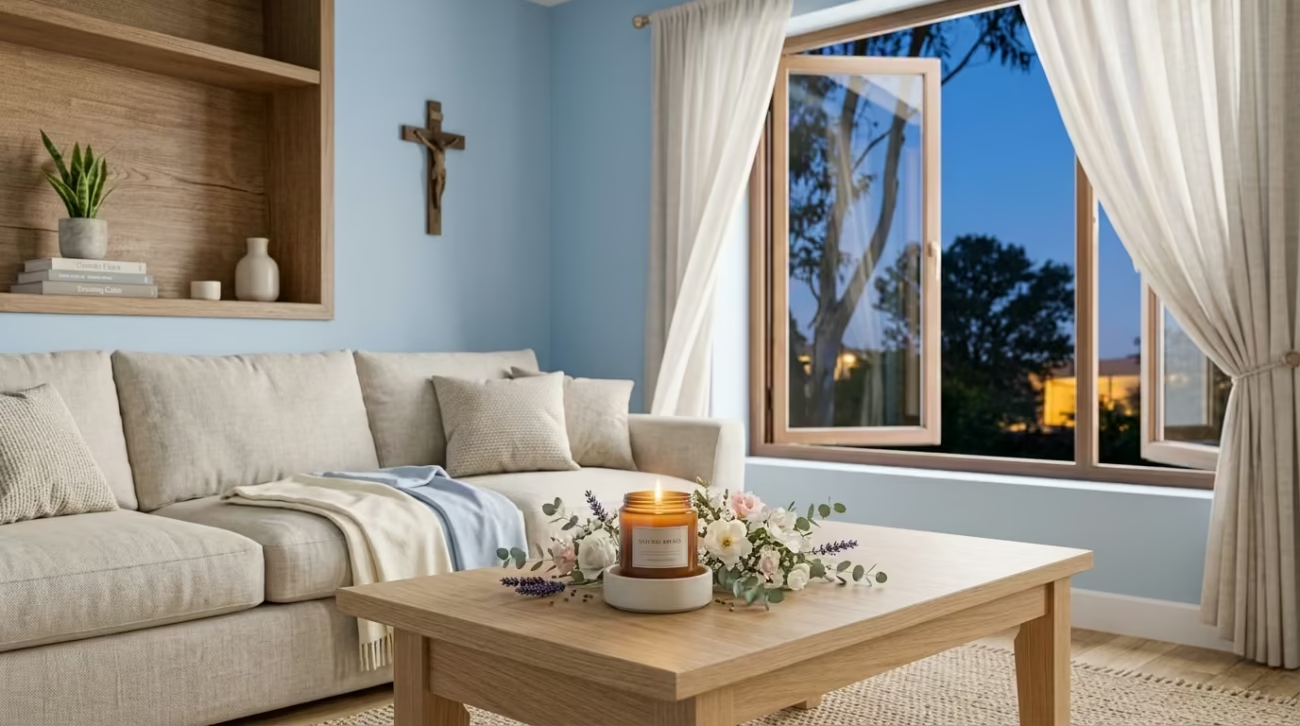
Layering is not only about which scents you choose; it is about where they sit. A candle in the hall and one in the living room blend across the doorway, creating a scent that greets you at the door and deepens as you move through the home.
Across-Room Layering
Place each candle in a different room or corner of a single large room. The scents meet in the shared space and blend at the edges without fighting. This is the gentlest layering method because distance keeps each candle’s character distinct while the whole home feels coordinated.
Same-Surface Grouping
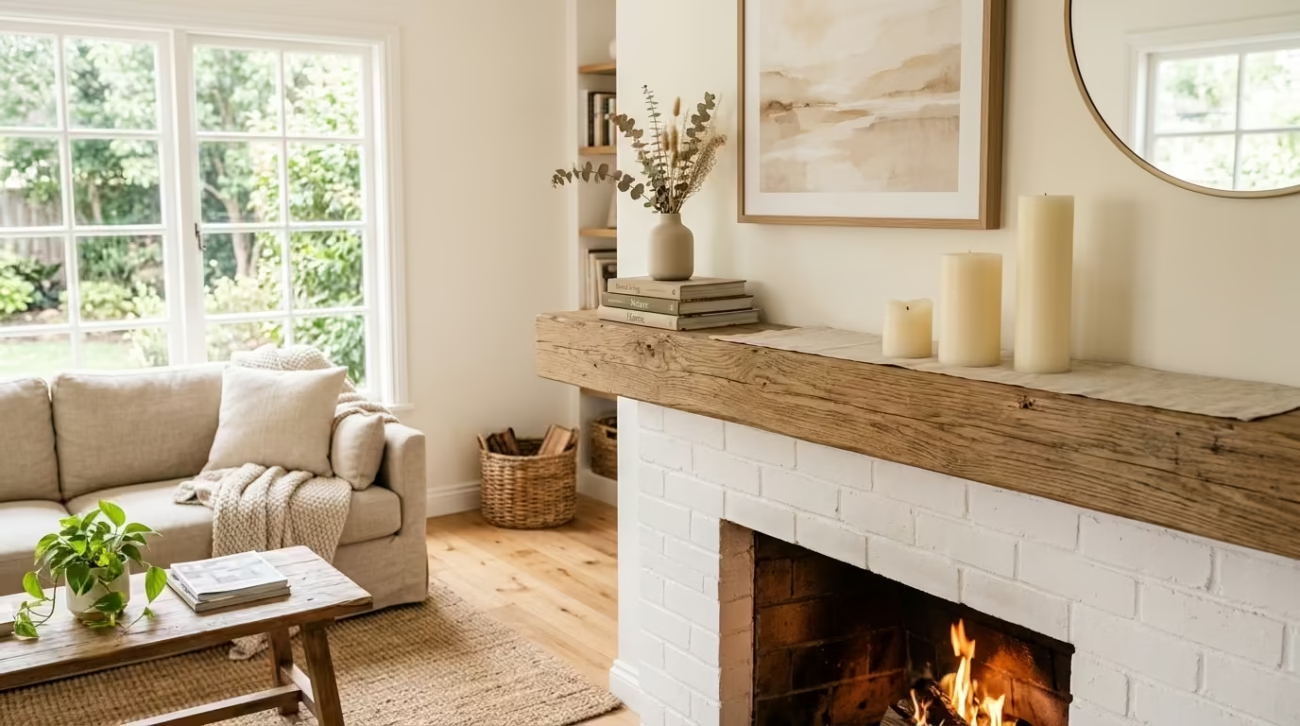
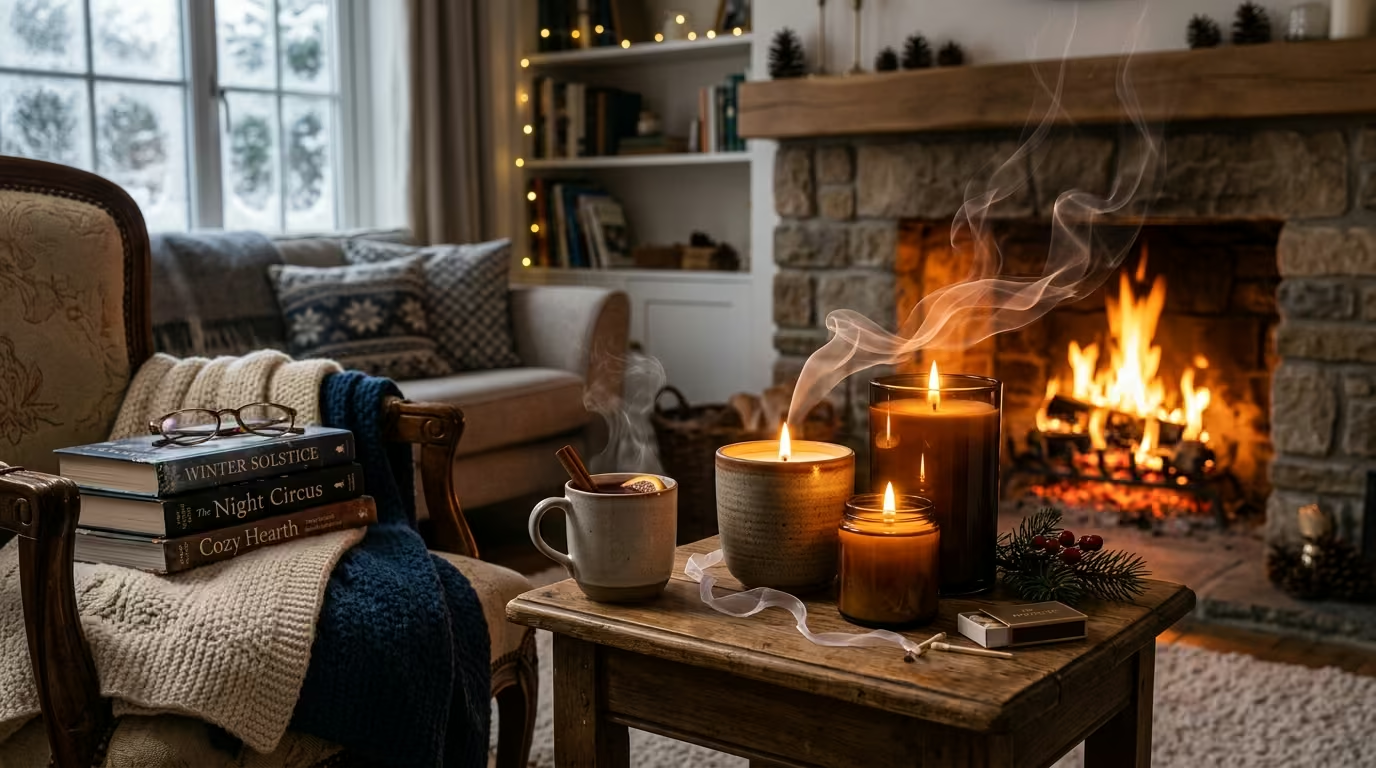
Grouping all candles on one table or mantel blends them immediately and strongly. This suits evenings where you want the full chord in one place. Keep the candles at least a handspan apart for safety, and choose complementary scents, because grouping leaves nowhere for mismatches to hide.
Managing Strength So Nothing Overpowers
The most common layering failure is not wrong scents, it is wrong amounts. Three strong candles in a small room become an avalanche. Manage the strengths and the blend behaves.
Match Strength to Room
In a compact room, layer light and medium candles rather than three heavy ones. Save your strong-throw candles for the living room, and keep lighter scents for the doorway and hall. The candle fragrance throw guide explains how to read a candle’s strength before you light it.
Scale the Burn Times
You do not have to burn every candle at full strength all evening. Light the anchor candle fully, burn a support candle for a short while, then extinguish it. The scent lingers and layers without the air turning heavy. Time becomes part of your layering control.
The Seasonal Blend for a Cosy Home
Winter deserves its own signature blend. A simple three-part formula carries most homes through the whole season, and it adapts to every room. Anchor, accent, and balance, three candles, one atmosphere.
The Three-Part Winter Formula
Choose a warm gourmand anchor like vanilla or apple cinnamon. Add a fresh accent like pine or spiced orange for brightness. Finish with a woody balancer like cedar or sandalwood for depth. Burn the anchor in the main room, the accent in the hall, and the balancer in whichever space you relax most.
Listening to Your Own Home
Every home reads scent differently: the size, the airflow, and the furniture all shape it. After a few blended evenings, recalibrate, stronger accent, weaker balancer, one candle moved to the landing. Your nose is the only expert that matters. Layering is a conversation with your own home, not a fixed recipe.
Layer Winter Scents With Intention
Begin With One Fragrance Family
Scent layering works best when the notes share one direction. Citrus can brighten spice, while woods can steady a sweet vanilla. The household should begin with one candle and notice its strength before adding another. This slower method prevents a room from becoming crowded with competing smells. It also makes the final blend easier to repeat.
Use Small Candles as Accents
Small candles can add a second note without taking over the main fragrance. They suit shelves, trays, and short evening burns. A set of strawberry scented tealights lets the reader test a fruit note beside a warmer winter scent. The flames should remain well spaced, supervised, and placed on heat-resistant surfaces. It is worth browsing our scented candles collection to see how the options compare.
Frequently Asked Questions
Can you combine two different candle scents?
Yes, and the best layered homes do it deliberately. Choose candles from compatible scent families so they blend rather than clash. Anchor one scent and let the others support it for a result that is richer than any single candle.
What candle scents go well together in winter?
Vanilla with spiced orange, cinnamon with pine, lavender with amber, apple cinnamon with cedar, and rose with sandalwood are all proven winter pairings. Keep one warm base and one bright or woody accent, and the combination holds together naturally.
How many candles should I light to layer scents?
Two is enough for a subtle lift and three is the classic full chord. Three candles covering warm, fresh, and woody family notes create a rounded winter blend. Avoid burning many strong candles in a small room, where the layers collapse into a single heavy wall of scent.
Do layered candles smell better than one candle?
Layered candles produce a more complex, dimensional scent that most people find richer than a single note. The difference is like hearing a chord instead of one tone. Layering also lets the scent shift as you move through rooms, which adds atmosphere.
How do I stop layered candles from clashing?
Stay within compatible families, use one dominant anchor, and keep each candle’s strength proportional to the room. When candles do clash, it is usually the amount, not the match. Lower the heaviest candle or move the scents further apart.
Should I light layered candles in the same room or different rooms?
Both work for different effects. Same-room grouping blends immediately and fully. Across-room placement blends gently at doorways and hallways, giving each space a distinct character. Many homes use across-room layering by default and group only for special evenings.
What is the best winter candle scent combination?
The classic cosy winter blend is a vanilla or apple cinnamon base with a pine or spiced orange accent and a cedar or sandalwood finish. It warmth-plus-fresh-plus-depth structure suits a whole home. The spiced orange candles and woody anchors from quality ranges build it beautifully.
Where can I find candles for layering?
Choose candles of contrasting families from the scented candles range at Christmas Candles UK, from apple cinnamon and spiced orange to lavender and woody gourmand styles. Pick three compatible characters and let the combined glow do the winter work.
Conclusion
To layer candle scents like a pro, anchor with one warm character, support it with a fresh or woody accent, and place the candles so they blend across your home. Compatible families, proportional strength, and a bit of trial make the blended result richer than any single candle. The three-part winter formula, warm, fresh, deep, carries most homes perfectly.
Build tonight’s atmosphere from two or three of your favourite winter candles. Browse the scented candles collection at Christmas Candles UK, pick your anchor and your accents, and let the layers settle into a truly cosy home.