In stock
£6.40 – £6.71Price range: £6.40 through £6.71
In stock
£6.62 – £7.41Price range: £6.62 through £7.41
In stock
£6.39 – £6.65Price range: £6.39 through £6.65
In stock
£8.08 – £8.12Price range: £8.08 through £8.12
In stock
£11.13 – £18.23Price range: £11.13 through £18.23
In stock
£6.94 – £7.11Price range: £6.94 through £7.11
In stock
£8.88 – £9.68Price range: £8.88 through £9.68
In stock
£8.62 – £11.84Price range: £8.62 through £11.84
In stock
£8.90 – £11.64Price range: £8.90 through £11.64
In stock
£8.19 – £9.70Price range: £8.19 through £9.70
Making Candles at Home
Buying a finished candle is only half of what this store offers, for shoppers who want to make their own, this collection brings together the moulds needed to shape wax into finished candles at home. Candle making has grown from a niche hobby into a popular seasonal activity, whether that's making a batch of pillar candles as gifts, trying out a shaped novelty design, or simply enjoying the process alongside the finished result. This collection covers the mould styles most commonly used for that work, from simple cylindrical pillar moulds to more detailed shaped and novelty designs suited to the Christmas season.
Choosing the right mould matters as much as choosing the right wax or fragrance, since the mould determines the final shape, how easily the candle releases once set, and how much detail the finished piece can hold. This collection is organised around those practical differences, so shoppers new to candle making can find a mould suited to their skill level, while more experienced makers can find moulds capable of finer detail.
Silicone vs Rigid Moulds
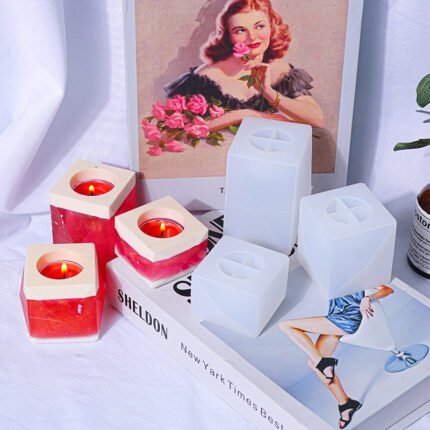
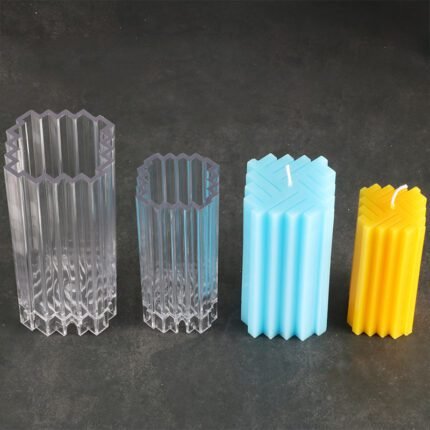
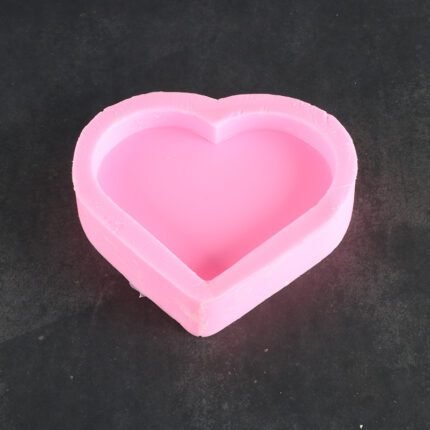
The two main mould types in this collection are silicone and rigid plastic or metal moulds, and each suits a different kind of project. Silicone moulds are flexible, which makes them easier to release finished candles from, particularly for shapes with any undercuts or fine detail that a rigid mould would struggle to release cleanly. This flexibility makes silicone a strong choice for shaped and novelty candles, where a Christmas tree, star, or other detailed design needs to come out of the mould without losing its shape.
Rigid moulds, typically used for straightforward pillar and cylinder shapes, tend to produce a very smooth, even surface finish, since the wax sets against a firm, non-flexing wall. They're generally more durable over repeated use than silicone, though they're limited to simpler shapes without the undercuts a silicone mould can handle. Shoppers focused mainly on classic pillar candles often prefer rigid moulds for this reason, while those experimenting with more decorative shapes tend to reach for silicone.
Pillar Moulds
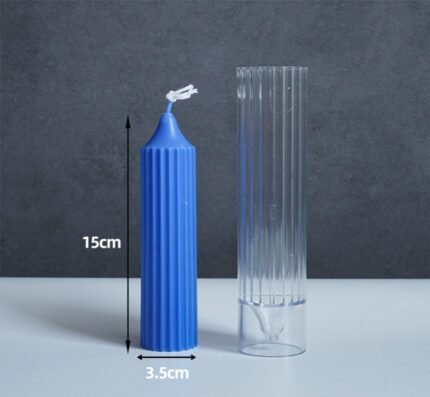
Pillar moulds are the most straightforward option in this collection, designed to produce the classic cylindrical candle shape used throughout the wider Christmas Candles range. These moulds are available in a range of heights and diameters, allowing a home candle maker to produce anything from a short, wide pillar to a tall, narrow taper-style candle. Because the shape is simple, pillar moulds are generally the easiest starting point for anyone new to candle making, with a lower chance of the finished candle sticking or deforming during release compared to more detailed shapes.
Getting a clean release from a pillar mould comes down to a few consistent habits: allowing the candle to cool fully at room temperature before attempting to remove it, using a release agent or light coating of oil on rigid moulds where recommended, and avoiding rapid temperature changes that can cause the wax to crack or warp as it contracts.
Shaped and Novelty Moulds
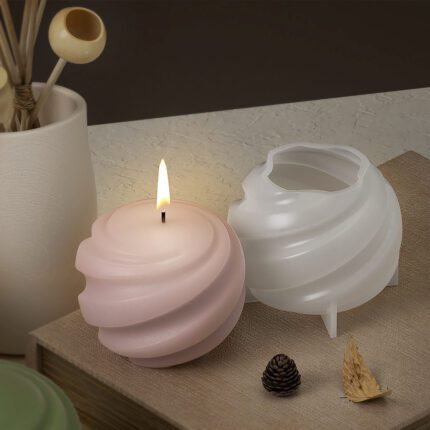
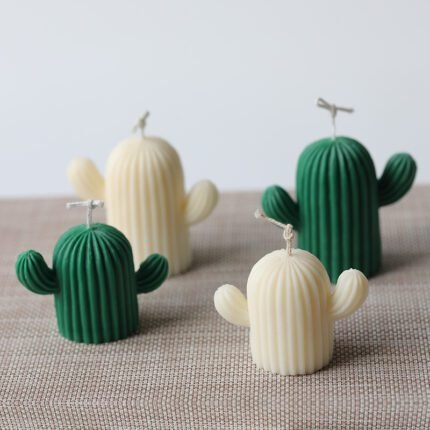
For shoppers looking to make something more distinctive than a plain pillar, this collection includes shaped and novelty moulds in seasonal designs, trees, stars, snowflakes, and similar Christmas motifs among them. These moulds are almost always made from silicone, given the flexibility needed to release a detailed shape without damaging fine edges or points. Shaped candles made from this collection work well as gifts, table centrepieces, or tree-adjacent decorations, offering a more personal alternative to a shop-bought decorative candle.
Because shaped moulds hold finer detail, pouring technique matters more than it does with a simple pillar. Pouring wax slowly, and in some cases in stages to reduce air bubbles around detailed areas such as points or thin sections, generally produces a cleaner finished piece. Product listings for shaped moulds in this collection note any particular pouring guidance specific to that design.
Wax Types Suited to These Moulds
While this collection focuses on moulds rather than wax itself, the mould material does affect which wax types work best. Silicone moulds tolerate a wide range of wax types, including soy, paraffin, and blended waxes, since the flexible material handles the slight expansion and contraction of different waxes as they cool. Rigid moulds are generally best suited to paraffin or wax blends with predictable, consistent shrinkage, since a rigid wall doesn't flex to accommodate a wax that contracts unevenly, which can otherwise make release more difficult.
Shoppers working with a specific wax type at home should check the mould material against that wax's typical shrinkage behaviour before committing to a large batch, to avoid a frustrating release on a finished pour.
Sizing and Batch Planning
Moulds in this collection come in a range of sizes, and choosing the right size affects both how much wax is needed per candle and how long each finished candle will burn. Larger pillar moulds use more wax and produce a longer-burning finished candle, similar in scale to the pieces found in the Large & Pillar Candles range, while smaller moulds are quicker to pour and cool, making them well suited to producing a larger batch of gift-sized candles in a single session.
Each listing states the mould's dimensions and approximate wax capacity, which helps with planning how much wax and fragrance oil to have on hand before starting a project, particularly for anyone making candles in bulk for gifting.
Cleaning and Reusing Moulds
Both silicone and rigid moulds in this collection are designed to be reused across multiple pours, provided they're cleaned properly between uses. Any leftover wax residue should be removed before the next pour, since built-up residue can affect how cleanly a new candle releases and can alter the surface finish of the finished piece. Silicone moulds generally tolerate more frequent use without wearing out, while rigid moulds benefit from careful handling to avoid scratches that could show up on the surface of future candles.
Storing moulds flat and away from direct heat between uses helps preserve their shape, particularly for silicone moulds, which can distort if left folded or under weight for extended periods.
A Rewarding Seasonal Project
Making candles at home, whether as a one-off activity or an ongoing hobby, gives shoppers a level of control over scent, shape, and colour that a finished, shop-bought candle doesn't offer. This collection is built to support that process at every stage, from a first attempt at a simple pillar mould through to more ambitious shaped designs for experienced makers. Finished candles from these moulds work well as personal decorations, homemade gifts, or additions to a set alongside items from the Candle Holders and Candle Gift Sets ranges.
Browse the full range below to find the right candle mould for any project, any skill level, and any part of the Christmas season.