

Type “are candles bad for you” into any search box and you will meet a wall of alarming headlines. Scented candles have been blamed for everything from sooty walls to asthma. Plenty of shoppers now light a candle and worry at the same time, which rather defeats the purpose of a relaxing evening.
The honest answer, based on the evidence, is that are scented candles safe resolves to a clear yes for normally healthy people in normal home conditions. All mainstream candle waxes release similar combustion products when burned properly, and regulation keeps them within safe limits. This guide walks through the science, separates real risks from internet folklore, and tells you exactly how to keep any scented candle safe. The linked candle safety checklist gives households a simple way to use scented candles responsibly. For questions about wax sourcing, packaging and disposal, see our eco-friendly candle buying guide. Expectant readers can also consult our guide to aromatherapy candles during pregnancy and discuss personal concerns with their maternity care professional. For more on this, see our guide on Are Your Candles Eco-Friendly? The Honest Buying Guide.
What Is Actually in a Scented Candle?
A scented candle is four ingredients: wax, fragrance, dye, and a wick. When you burn it, the wax vaporises and the fragrance evaporates with it. That simple combination produces the same combustion gases as any other household flame, plus trace amounts of the fragrance itself.
The Wax Question
Paraffin, soy, beeswax, and coconut wax all burn to the same basic combustion products: carbon dioxide and water, with tiny amounts of other gases. No major health authority has found that one mainstream wax is meaningfully safer than another in normal use. The fear that paraffin is toxic is not supported by current research, as the National Candle Association has pointed out repeatedly.
The Wick Question
Wicks used to be a genuine concern when lead-core wicks existed decades ago. Lead wicks are now banned in most parts of the world, and modern cotton or paper wicks carry no such risk. If you buy candles from a reputable seller like Christmas Candles UK, the wick is safe and standard.
The Soot Question Explained
Black soot on jar walls is the most common candle complaint and the easiest to misunderstand. Soot is produced when a flame does not burn its fuel completely. An over-long wick, a draughty spot, or a cheap heavily fragranced candle produce more soot than a well-made one. It is a burn-quality problem, not a sign of a toxic candle.
Does Soot Affect Health?
Soot is a particulate, and particulates in any indoor air are worth avoiding at high levels. But the amount released by a single well-trimmed candle in a ventilated room is far below risks documented in industrial settings. The practical answer is simple: trim wicks, avoid drafts, and keep rooms ventilated, and soot stays cosmetic.
Fragrance and Sensitivities
Fragrance does not distribute as “chemicals” through a room in dangerous doses. However, some people are genuinely sensitive to fragrance compounds and may notice headaches, watery eyes, or throat irritation, the same way someone reacts to a strong perfume. Those people may prefer unscented candles or heavier ventilation. Sensitivity is real, but it is different from blanket toxicity.
What the Research Actually Shows
Several large studies have looked at candle emissions, and the picture is consistent. Burning candles in well-ventilated rooms produces levels of most compounds far below workplace safety limits, often comparable to ordinary cooking. Regulatory bodies in the US and Europe treat well-made candles as low-risk household products.
The Cooking Comparison
A frying pan creates more airborne particles than a candle in most tests. Household cooking, toasters, and wood fires all dwarf candle emissions. When researchers compare candles to daily life, candles rarely register as standout sources of indoor pollution. That context is the key forgotten in scary articles.
The Caveats Worth Respecting
The science supports safe use, not reckless use. Burning dozens of candles in a tiny unventilated room for hours, smoking indoors, and letting wicks run long all change the picture. Health is about dose and circumstance. A single candle in a ventilated living room is a different question from a candle clogfest in a sealed bedroom.
Scented Candles Around Pets and Children
Pets and children share the same air, but their bodies are smaller and their systems differ. The practical guidance is the same as for adults: keep flames out of reach, ventilate, and watch for individual sensitivities. A bird in a cage is the most extreme case, since birds react to airborne particles strongly.
Cats, Dogs, and Essential Oils
Some essential oils are more concerning for cats than for humans, and certain pets may be sensitive to strong fragrance. The risk from burning a typical scented candle in a ventilated room is low, but pet owners with known sensitivities should choose unscented or lightly scented candles. Always give the room air movement and watch the pet’s response.
Keeping Flames Away From Little Hands
Candle safety for children is about the flame and the hot wax, not the fragrance. Keep candles on high surfaces, away from reach, with stable holders. Match the safety habits you already use around ovens and fireplaces. The room-by-room checklist guides covers these placements room by room.
How to Burn Scented Candles Safely Every Time
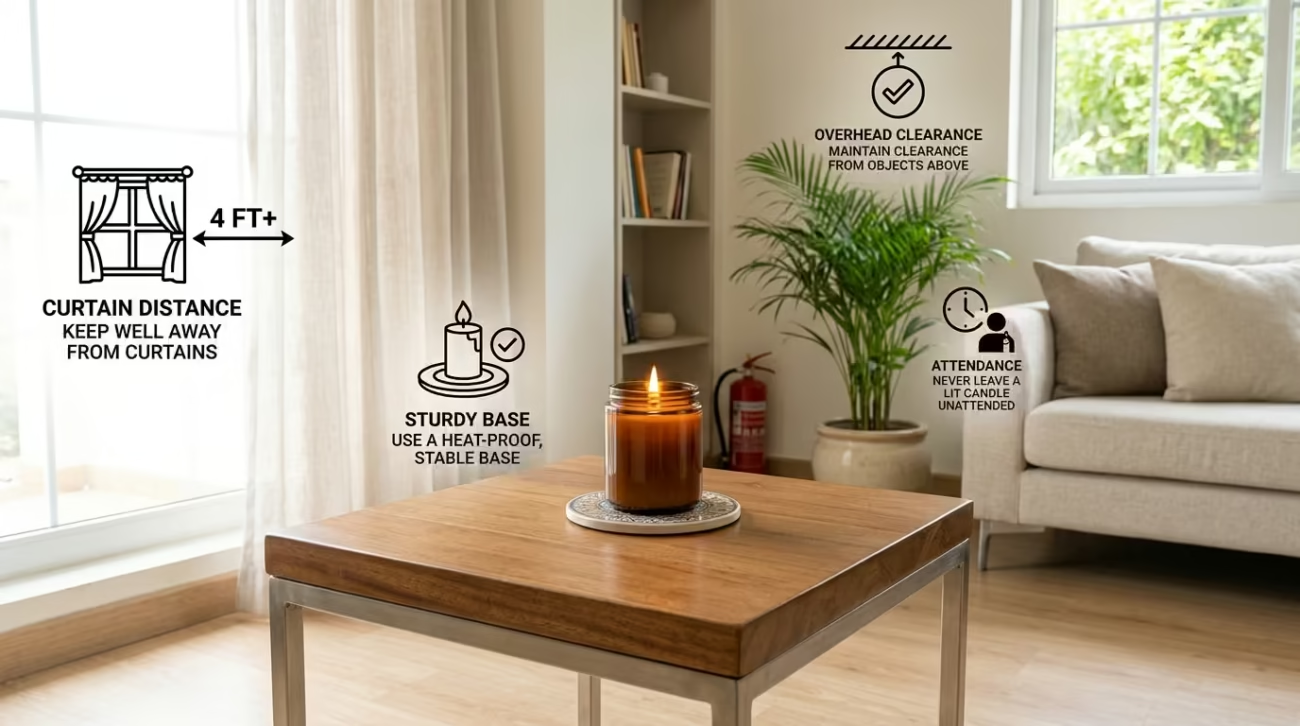
Safety is mostly a behaviour, not a product trait. Follow these habits and a scented candle adds warmth to your home with negligible risk. They take seconds and become automatic quickly.
- Trim the wick to six millimetres before each burn to limit soot.
- Keep the candle away from drafts, curtains, and clutter.
- Burn on a heat-proof surface in a stable holder.
- Ventilate the room lightly, even in winter.
- Never leave a burning candle unattended or asleep.
- Limit sessions to around four hours, then cool and relight.
The Four-Hour Session Rule
Long burns overheat jars, deepen melt pools, and shorten the candle’s life. Stop at four hours, blow out properly, trim the wick, and let everything cool. This single habit prevents most overheating and keeps glass jars safe across many uses.
Reading Labels for Confidence
Reputable candles list wax, fragrance type, and burn time. Buy from sellers that include ingredient information. When you know what is inside, you can decide with confidence. The scented candles sold at Christmas Candles UK list their wax and fragrance details so you are never guessing.
Use Safer Scent Habits
Keep Air Moving
A scented candle should add comfort without making the air feel heavy. The room benefits from gentle ventilation, especially during a long burn. The candle should sit away from curtains, books, and crowded shelves. The household should also follow the product label and stop using the candle if smoke or irritation appears. Small habits protect both comfort and safety. Our scented candles range is worth a look if you want to compare a few options first.
Choose the Right Fragrance Intensity
A stronger scent is not automatically better. A small bedroom may need a lighter fragrance, while a large sitting room can handle a fuller note. The scented candle range range gives a useful starting point for comparing fragrance choices. The buyer should select a scent that supports the room instead of masking every other smell.
Frequently Asked Questions
Do scented candles release harmful chemicals?
All candles release tiny amounts of combustion gases, but studies show that normally burning candles in ventilated rooms release levels far below safety limits for healthy people. Trace compounds exist, but they are not at proven harmful doses in everyday home use.
Is paraffin wax really toxic?
No. Modern paraffin is refined and safe for normal home burning. Studies that alarmed people used extreme conditions or outdated wicks. Current research and industry bodies like the National Candle Association confirm paraffin is safe in properly made candles.
Are soy candles safer than paraffin candles?
There is no strong evidence that soy is meaningfully safer to inhale than paraffin. Soy’s advantages are environmental and behavioural: it is renewable, biodegradable, and burns cooler. Health-wise, both are safe when burned with a trimmed wick in ventilated air.
Can scented candles cause asthma?
Candles are not proven to cause asthma. People with existing asthma or fragrance sensitivity may react to strong scents or smoke, so they should ventilate and choose lighter scents. But triggering a reaction in a sensitive person is not the same as causing the condition.
Are candles safe to burn around babies?
Regulated candles are low-risk, but babies have smaller air pathways, so keep rooms ventilated and candles out of reach. Unscented candles or very light scents are the safest choice in a nursery. Never leave any candle burning while a baby is alone in the room.
What is the safest candle to buy?
Any quality candle from a reputable seller with a cotton wick, trimmed properly, in a ventilated room, is safe. If you want the lowest-emission choice, soy, beeswax, or olive wax candles are popular for their clean burn and renewable origins. The Pure Olive Wax jars at Christmas Candles UK are a good example.
Do unscented vs scented candles differ in safety?
Both burn similarly. Scented candles add fragrance compounds, which only bothers people sensitive to scent. If you are fine with fragrance, the safety difference is negligible. If you are sensitive, unscented candles avoid the fragrance variable entirely.
How should I shop to be sure a candle is safe?
Buy from transparent sellers who list wax, wick, and burn time. Avoid candles with unclear labels and suspiciously cheap prices. Reputable ranges, like the scented candles collection at Christmas Candles UK, list the ingredients, so you can shop with your eyes open.
Conclusion
Are scented candles safe resolves to yes for most households when the basics are respected: quality wax, trimmed wicks, ventilation, and common-sense placement. Scientific reviews do not support the scary headlines, but they do support sensible habits. Sensitivity and safety are different conversations, and both are manageable with light scents and airflow.
Shop transparently, burn in ventilated rooms, and enjoy the glow without the guilt. Explore the scented candles range at Christmas Candles UK, where quality wax and clear labelling mean the comfort starts with a safe, well-made product.