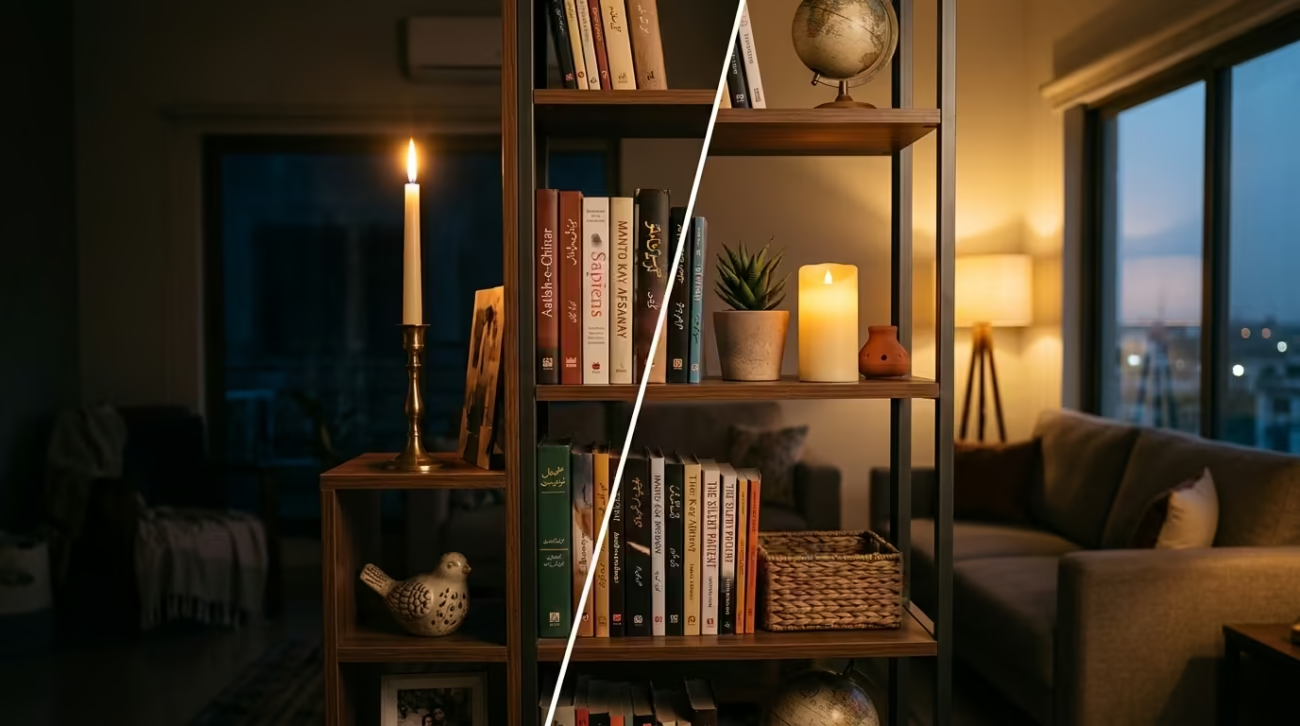

Most candle fires share one boring detail: someone left a flame somewhere it should not have been. Half of all candle fires start in the bedroom, and a huge share begin when nobody is watching. The scariest part is how ordinary the setup looks right before it fails.
The good news is that candle safety at home is a checklist, not a talent. Every room has a small set of rules, and following them removes almost all the risk. This guide walks room by room, so you can walk through your home once and know every candle is exactly where it belongs. The related scented candle safety guide gives a fuller look at ventilation and responsible burning.
The Rules That Apply to Every Room
Before diving into rooms, lock in the universal rules. These hold everywhere, on every candle, every night of the year. They are the non-negotiable base that every room-specific rule builds on.
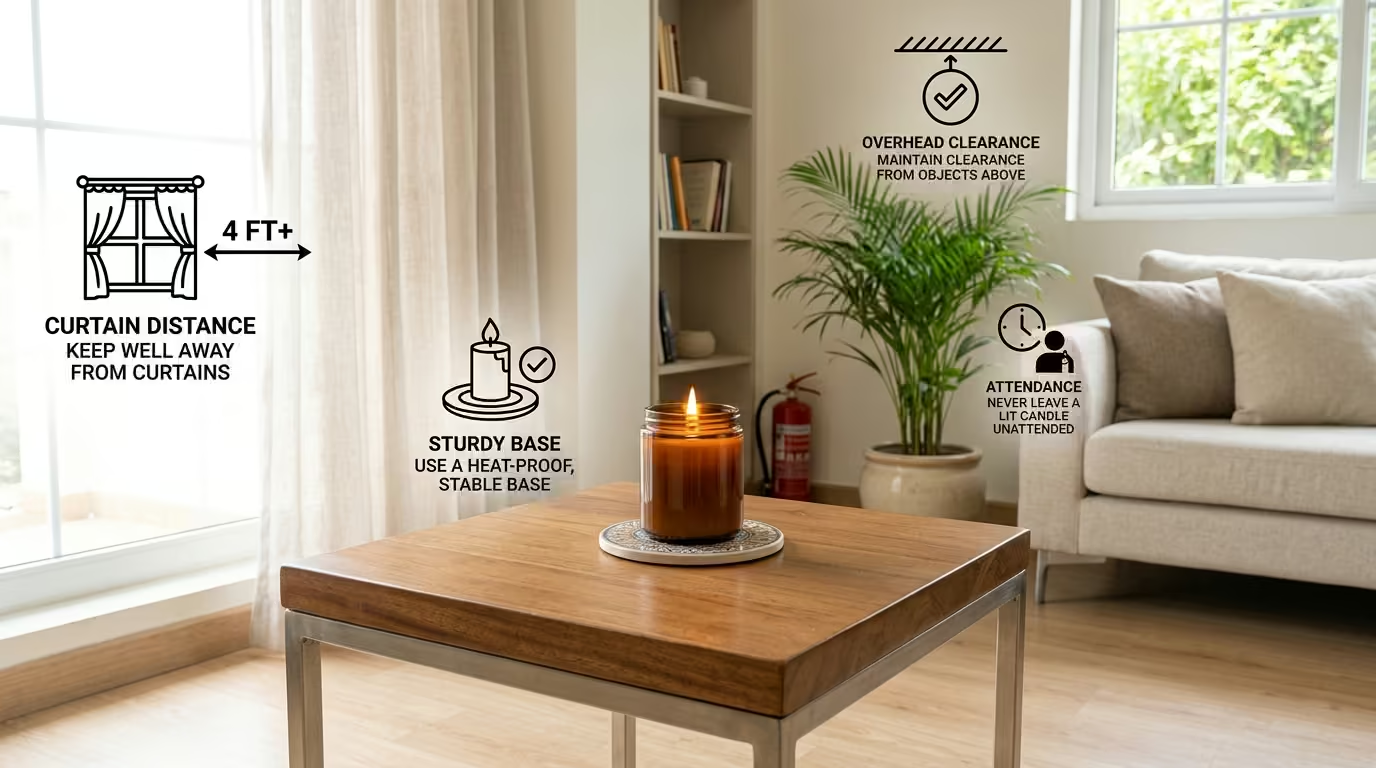
- Never leave a burning candle unattended. Blow it out before leaving a room.
- Never sleep with a candle burning. Blow out before bed, every single night.
- Keep candles away from anything that burns. Curtains, towels, bedding, and paper included.
- Use a sturdy, heat-proof holder and a flat, level surface.
- Keep candles at least 10cm apart so flames cannot heat each other.
- Trim wicks to six millimetres before each burn to prevent high flames and soot.
The 12-Inch Rule
Fire services recommend at least 30cm, about one foot, between a candle’s flame and any combustible surface or object. That distance covers curtains blown by a draught, books, and the gift wrap pile that somehow ends up beside the tree. When in doubt, add an extra handspan of space. Our guide on Candle Wick Trimming: The Simple Habit That Changes Every Burn covers this in more depth.
The Glass and Holder Basics
Glass jars crack under heat stress, so keep them away from cold surfaces and sudden temperature changes. Holders catch dripping wax and stop the candle tipping. A candle without a proper base is an unlit hazard waiting for a knock.
The Living Room: Where Most Candles Live
The living room holds the most candles and the most distractions. TV remote in hand, guests arriving, children running past, all of it encourages the dangerous “I’ll just leave it a minute” moment. Plan the room so leaving a candle is never tempting.
- Place candles on fireplaces, mantelpieces, and sturdy tables, never on soft furniture.
- Keep at least 30cm from curtains, bookshelves, and armchairs.
- Keep candles out of reach of children and pets.
- Position away from the walkway so nobody knocks one as they pass.
- Extinguish before the evening’s focus shifts to the TV or the wine bottle.
The Mantelpiece Discipline
A mantelpiece is prime candle real estate, but above a working fireplace it gets warm even when unlit. Keep candle bases level, far from the chimney breast and any decorations. Never stack candles or place them where a curtain can reach them when the window opens.
Pets and the Flapping Tail
Cats swat at flames, dogs sweep tables with happy tails, and both knock candles over. Place candles high and central enough that animals cannot reach them. If you cannot trust the pet’s route through the room, the candle does not get lit. This single judgement prevents most pet-related candle accidents.
The Bedroom: The Highest-Risk Room
Statistically, the bedroom is where candle fires start most often. The reason is obvious: beds encourage relaxation, and relaxation encourages people to fall asleep with a flame burning. The bedroom rule is therefore the strictest of all.
- Allow candles only when you are awake and in the room.
- Blow out before the lights go off. No exceptions, no “just for a minute”.
- Keep candles far from bedding, pillows, and clothes piles.
- Use flameless LED candles for any overnight glow.
- Keep a clear route to blow out every candle without leaning over furniture.
The Bedside Stumble Risk
A candle on a crowded bedside table is one knock away from disaster. Place it on the far corner, away from the phone, book, and glasses you grope for at 3am. If the alarm rings and you are half asleep, the candle should be the last thing you can reach, not the first.
The Sleepy Moment Trap
Everyone who wakes at 2am with a candle still burning knows the sickening feeling. Decide the bedtime routine now: candle off, then phone on the charger, then lights out. Baking the blow-out into the routine beats relying on memory every single night.
The Bathroom and Kitchen: Damp and Draughts
Bathrooms and kitchens add moisture, heat, and airflow to the candle equation. Both rooms demand a shorter, stricter burn. Steam, splashes, and cooking vapours all change how a flame behaves.
- Burn candles in bathrooms only when no steam is actively rising at the candle.
- Keep kitchen candles far from the hob, oil, and spray fats.
- Never move a hot candle onto a cold or wet surface.
- Ventilate slightly so the flame gets clean air without a gust.
- Extinguish immediately if any wax is blown onto a nearby surface.
Steam and Glass
Steam and water splash can crack a heated glass jar instantly. In a bathroom, light the candle before the shower starts or after it ends, and keep it up high and dry. A bathroom candle should enjoy the aftermath of the bath, not compete with the hot water.
Kitchen Air and Kitchen Table
Kitchens have cooking smells, so candles there are often strong-scented. Stronger fragrance means a bigger flame needs more watching. Keep kitchen candles on the dining side of the room, well clear of the hob’s splashes and the extractor’s draught. The Christmas Candle gift sets used at the table are safest when the hob is off.
Hallways, Windowsills, and Seasonal Spots
Hallways and windowsills create the festive glow people love, but they multiply the risk factors: narrow walkways, draughts, and curtains all gather in one place. Seasonal spots up the danger further because decor fills the same space.
- Keep windowsill candles out of direct draughts from the window.
- Leave at least 30cm around candles on mantelpieces flanked by wreaths.
- Do not place candles under shelves or within reaching distance of hanging decor.
- Use LED flameless candles for window displays that run all evening.
- Keep the Christmas tree clear of every candle in the room.
The Christmas Tree Proximity Rule
A real or artificial tree must not sit within reach of a burning candle’s flame or heat. Across the UK and the US, Christmas trees and furniture ignite more during candle season for the simplest reason: proportion. Keep at least a metre between the tree and any lit candle, and never let the two share a base or a deck.
The Flameless Alternative for Constant Glow
For the displays that are meant to glow all evening, halls and window sills included, LED flameless candles remove the flame from the equation entirely. They deliver the warm flicker with zero fire risk, which is why our LED flameless candles collection pairs so naturally with the festive candle ranges.
Run a Room-by-Room Check
Remove Common Fire Risks
Safety improves when every candle has a clear zone. The household should move flames away from curtains, books, bedding, ornaments, and busy edges. Bedrooms need extra care because tired people may forget a burning candle. The bathroom needs a stable, dry surface. A quick check before lighting is easier than correcting a dangerous setup later.
Keep Extinguishing Tools Nearby
A safe routine includes a reliable way to put the flame out without reaching across hot wax. An automatic candle snuffer can reduce smoke and keep fingers away from the wick. The candle still needs supervision until the flame is fully out. Children and pets should never be left alone with a burning candle. You will find the full selection in our Christmas candles range.
Frequently Asked Questions
Is it safe to leave a candle burning while I sleep?
No. Never sleep with a candle burning, and never fall asleep while a candle is lit. Bedrooms are where most candle fires start exactly for this reason. Blow out candles before the lights go out, and use flameless LED candles for any overnight glow.
How far should candles be from curtains?
Keep at least 30cm between a candle and anything flammable, including curtains. A draught from an open window can push fabric into the flame at any moment. The space is cheap insurance against the most common candle fire setup.
Can candles be left burning in a bathroom?
Only when the candle is out of direct steam and away from splashes, up high and dry. Steam can crack hot glass jars. Light bathroom candles before or after the shower, and blow them out before leaving the room.
Are candles safe around pets?
Candles are safe around pets only when the animals cannot knock them over or reach the flame. Cats swat flames and dogs sweep tabletops with their tails. Place candles high, central, and out of reach, or choose flameless candles in rooms where pets roam freely.
How close can two candles be to each other?
Keep lit candles at least 10cm apart. Closer flames heat each other, melt wax unevenly, and risk one flame leaning into the other. Grouped candles used for displays should span a wider base rather than crowd into a tight cluster.
What should I do if a glass candle jar cracks?
Extinguish the candle immediately and let it cool completely. A cracked jar can leak hot wax or break further under heat. Discard the jar and candle together rather than relighting, and check the replacement’s holder for stability.
Do LED candles remove the fire risk entirely?
LED flameless candles remove the flame, which removes the main ignition risk. They produce little heat, so they are safe for unattended glow in halls, windowsills, and bedrooms. Follow the battery instructions and replace worn units, and they stay effectively risk-free.
Where can I find safer candle options and holders?
The Christmas candles range at Christmas Candles UK offers both traditional wax candles in sturdy design and LED flameless candles for unattended spots. Pair them with proper candle holders from the holders collection, and every room in your home hits this checklist.
Conclusion
Candle safety at home is a room-by-room checklist, and every item is simple: supervise, separate, stabilise, and extinguish. The bedroom asks for the strictest discipline, the living room for placement discipline, and the damp rooms for shorter burns. Wherever a flame can linger unattended, an LED flameless candle is the responsible glow.
Walk your home once against this list, and every candle you light will be where it belongs. Shop the Christmas candles and LED flameless candles ranges at Christmas Candles UK, and give your celebrations the warmest cosy glow the safe way.