
Every household knows the scene: the tree arrives, goes up in its corner, and instantly something feels wrong. Maybe the tip grazes the ceiling in a way that bends the star, or the base hogs the floor so nobody can pass. The wrong size ruins December for a whole month.
Christmas tree size is the most overlooked purchase decision of the season. People buy from memory instead of measurement, and the result is a tree that fights the room all month. This guide gives you the measuring method, the room rules, and the size families so your tree fits like it was built for the corner. The linked pre-lit versus unlit tree guide adds a practical lighting comparison.
Measure Before You Buy, Not After
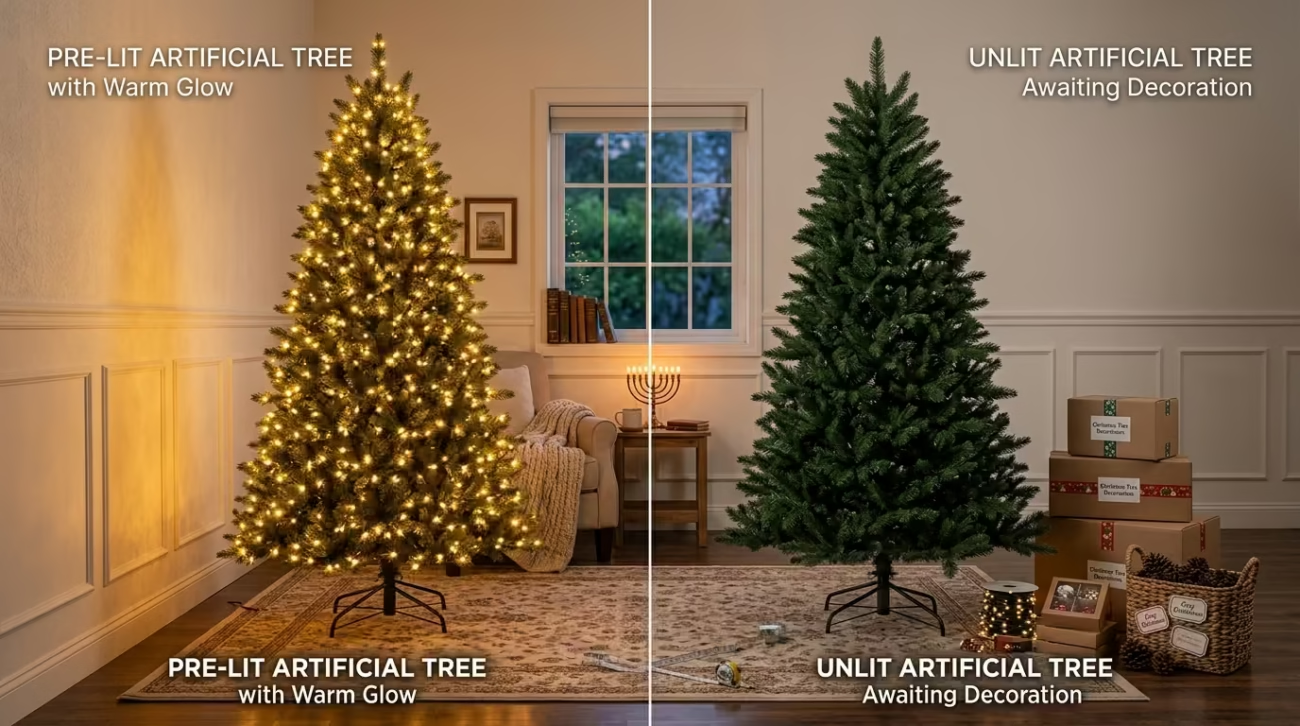
The golden habit is measuring the room before the tree arrives. Two numbers decide everything: the ceiling height of the corner and the floor width you can spare. Write both down. Every tree decision then becomes a simple comparison instead of a guess. This connects closely with our guide on Pre-Lit vs Unlit Christmas Trees: What Is Actually Worth Buying?.
The Ceiling Height Number
Measure floor to ceiling in the exact spot the tree will stand, not the room’s average height. Allow about 30cm of clearance between the treetop and the ceiling so the topper and star fit with breathing room. That clearance also keeps the tree from brushing light fittings, which is both safer and tidier.
The Floor Width Number
Measure the width of the corner or wall where the tree will live. The tree’s base should occupy no more than about two-thirds of that width, so people can still move past it. A tree that touches both surrounding walls looks squeezed. Give the tree room to be seen from at least one side.
The Size Families That Most Homes Need
Trees come in broad families, and each suits a different room shape. Learn the bands and the choice simplifies instantly. From a small tabletop tree to a grand seven-footer, every family has a room it suits best.
- Tabletop trees under 60cm: Desks, mantelpieces, windowsills, and small flats.
- Small trees 60–120cm: Bedrooms, hallways, and compact corners.
- Medium trees 120–180cm: Standard living rooms, up to about 6 feet tall.
- Tall trees 180cm and above: High-ceilinged rooms, stairwells, and grand displays.
The Tabletop Family
Tabletop trees are the answer for tiny spaces and extra displays. A small flocked or felt tree on a mantelpiece brings festive charm without claiming floor space. They also suit children’s rooms, desks, and flats where a full tree is impossible. The tabletop family at Christmas Candles UK, including the mini flocking trees, makes a second tree affordable and easy.
The Standard Living Room Family
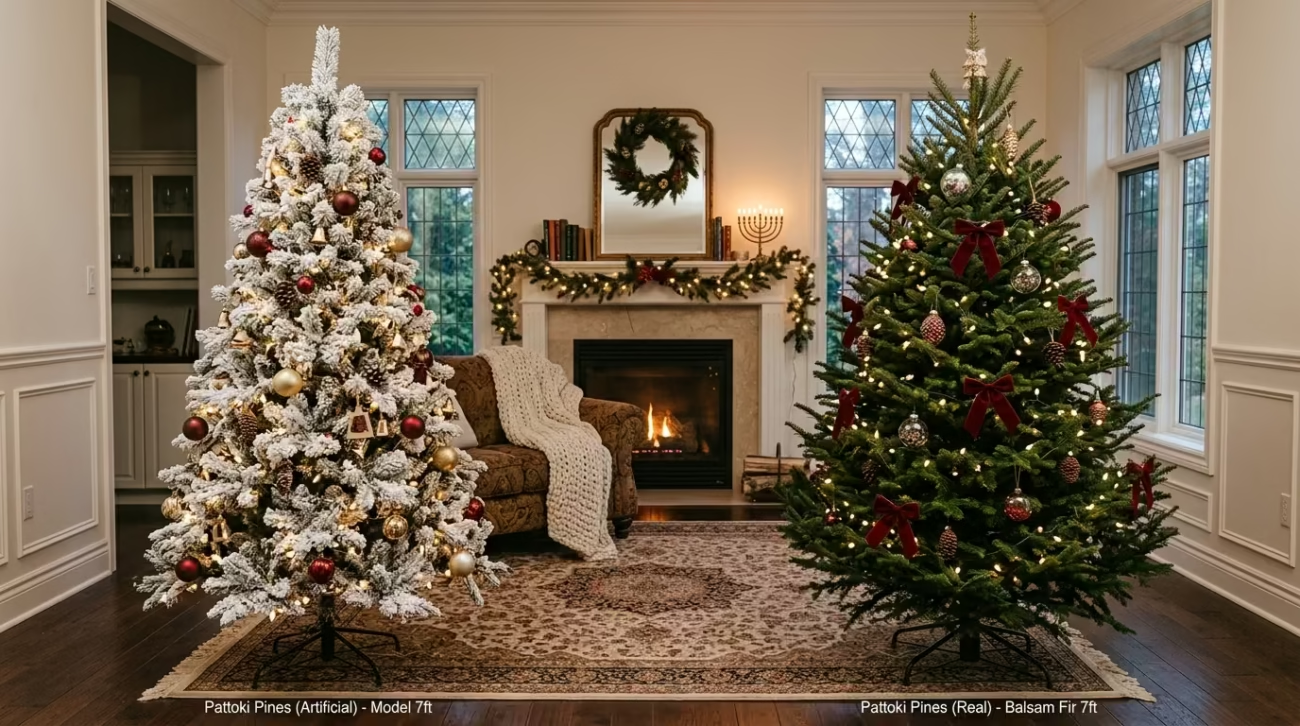
Most UK living rooms take a tree between 120 and 180cm, roughly four to six feet. This range fills the classic corner without overwhelming the room. The 60cm artificial white tree in our Christmas range sits at the compact end of this bracket, ideal for flats and narrow spaces, while a six-footer handles a generous lounge.
The Three Clearances That Decide Fit
Beyond height and width, three clearances save every tree from looking crammed. Checking them before purchase prevents the most common sizing mistakes. Each is a simple measurement with a rule attached.
- Ceiling clearance: Keep 30cm between treetop and ceiling for the topper.
- Wall clearance: Leave a few centimetres between branches and walls so the tree reads as round.
- Door and walkway clearance: Never let the tree block a door swing or pinch a walkway.
Watching the Ceiling Details
Coved ceilings, pendant lamps, and smoke alarms change the clearance game. A tree under a pendant lamp needs extra room below the shade. A tree directly under a smoke alarm should stay well clear of it. Think about what hangs above the tree, not just the ceiling height itself.
The Tip-Bending Test
When a tree is slightly too tall, people bend the tip to fit under the ceiling. That bends the whole silhouette and flattens the top, which reads as wrong from every angle. If you are bending the tree to fit, choose one size down. A straight, proud treetop is worth the shorter height.
Matching Tree Size to Room Personality
Size is about more than clearance. It sets the room’s festive energy. A generous tree makes a large room feel celebrated. A compact tree keeps a small room from feeling swallowed. Match the scale to the room’s proportions and your decor style in one decision.
Small Rooms, Smart Trees
In a small living room or hall, a medium tree with slim branches reads as taller and airier than a bushy one of the same height. Search for “slim” or “pencil” profiles when space is tight. Flocked and white trees also recede slightly, letting a small room feel larger than it is.
Large Rooms, Generous Trees
High ceilings and open spaces call the tree up to meet them. A tall tree grounded by a wide base fills the room’s vertical scale. If your tree looks small in a big open corner, it is not the tree failing; it is the size bracket being wrong. Move up a family and the whole room reframes.
Where the Tree Goes in Your Home
Placement affects size as much as size affects placement. The classic position is a corner, which hides the back of the tree and lets the front face the room. But corners vary. A hallway tree needs a slimmer profile. A window tree needs calm lighting behind it. Choose the size after you choose the spot.
The Corner Rule
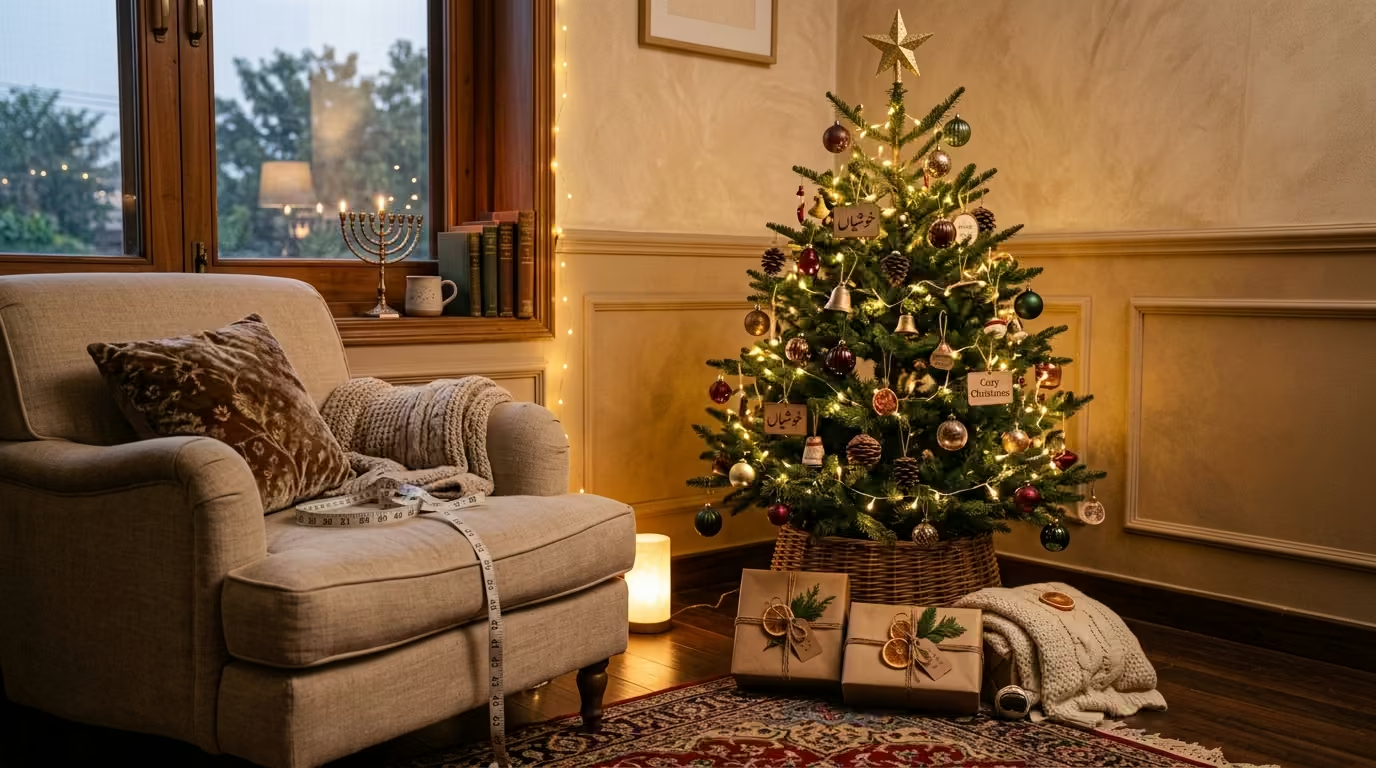
In a corner, the tree’s usable width matters less because the walls frame it. You can go taller here than in open floor space. Measure the corner’s diagonal and keep the base well inside it. Trees placed beside a sofa or door need the width check more strictly.
The Backward Placement Trick
Before you commit size, place the tree mentally backwards. Stand where you will view it from most often. The tree should occupy a comfortable share of your view without blocking a fireplace, TV, or doorway. If the tree dominates the view to the point of blocking life, size down.
Measure the Tree Zone First
Allow Space Above and Around It
Tree height is only one part of the decision. The household should measure from the floor to the lowest point of the ceiling, then reserve space for the stand and topper. Width matters too, especially near doors and sofas. A smaller tree can look more generous when it leaves breathing room around the branches and decorations.
Plan for the Furniture
The best tree size keeps paths open and protects nearby furniture from falling branches. The decorator should mark the floor before shopping. A Christmas tree collection gives the reader a useful collection to compare when the room needs a dependable seasonal focal point. The final choice should suit the whole zone, not only the empty corner. It is worth browsing our Christmas trees collection to see how the options compare.
Frequently Asked Questions
What height Christmas tree should I buy for a standard room?
Measure ceiling to floor in the tree’s spot and subtract about 30cm for the topper. Most UK living rooms with standard ceilings take a tree between 150cm and 180cm. A smaller room comfortably fits 120–150cm.
How do I measure a Christmas tree for my room?
Measure the ceiling height and the floor width available in the exact spot. Allow 30cm above the treetop for a topper and keep the base within two-thirds of the wall width. Compare those two numbers to the tree’s stated height and width.
Is a 6-foot Christmas tree too big?
A 6-foot tree suits a standard living room with a ceiling over about 2.2 metres. It is too big for low-ceilinged rooms and small flats. Compare against your ceiling measurement and the topper clearance, not against what neighbours buy.
What is a good tabletop Christmas tree size?
Tabletop trees between 20cm and 60cm suit desks, mantelpieces, and shelves. Under 30cm they are decorative accents; around 50–60cm they make a proper mini display. Mini flocked trees around this size are charming and easy to store.
Are slim or pencil trees better for small spaces?
Yes. Slim and pencil profiles give the height without the width, so they suit hallways, corners, and compact rooms. They read as elegant rather than sparse when decorated with a consistent colour scheme.
How much clearance should a tree have from the ceiling?
About 30cm is the comfortable rule. It leaves room for the fairy-light star or angel and avoids the bent-tip look. Rooms with low ceilings can reduce this slightly, but the tree should never touch the ceiling.
What size tree fits a small flat or flat-share living room?
A tree between 90cm and 150cm covers most small flats. At the compact end, the 60cm artificial tree and tabletop flocked trees work perfectly in flats where floor space is limited. Focus on slim profiles and lower heights.
Where can I find Christmas trees in different sizes?
The Christmas trees collection at Christmas Candles UK covers tabletop minis, compact 60cm trees, and larger artificial options, so you can match size to room. Measure your corner, then browse the range with the numbers in hand.
Conclusion
The right Christmas tree size comes from two measurements, ceiling height and floor width, plus the three clearances that keep a tree from looking squeezed. Match the size family to the room’s proportions and profile, a tabletop mini for small spaces, a compact tree for flats, a six-footer for standard lounges, and a tall tree for high rooms.
Measure the corner once and the whole season feels effortless. Browse the Christmas trees range at Christmas Candles UK, from 60cm artificial trees to tabletop miniatures, and find the one size that was made for your room.