

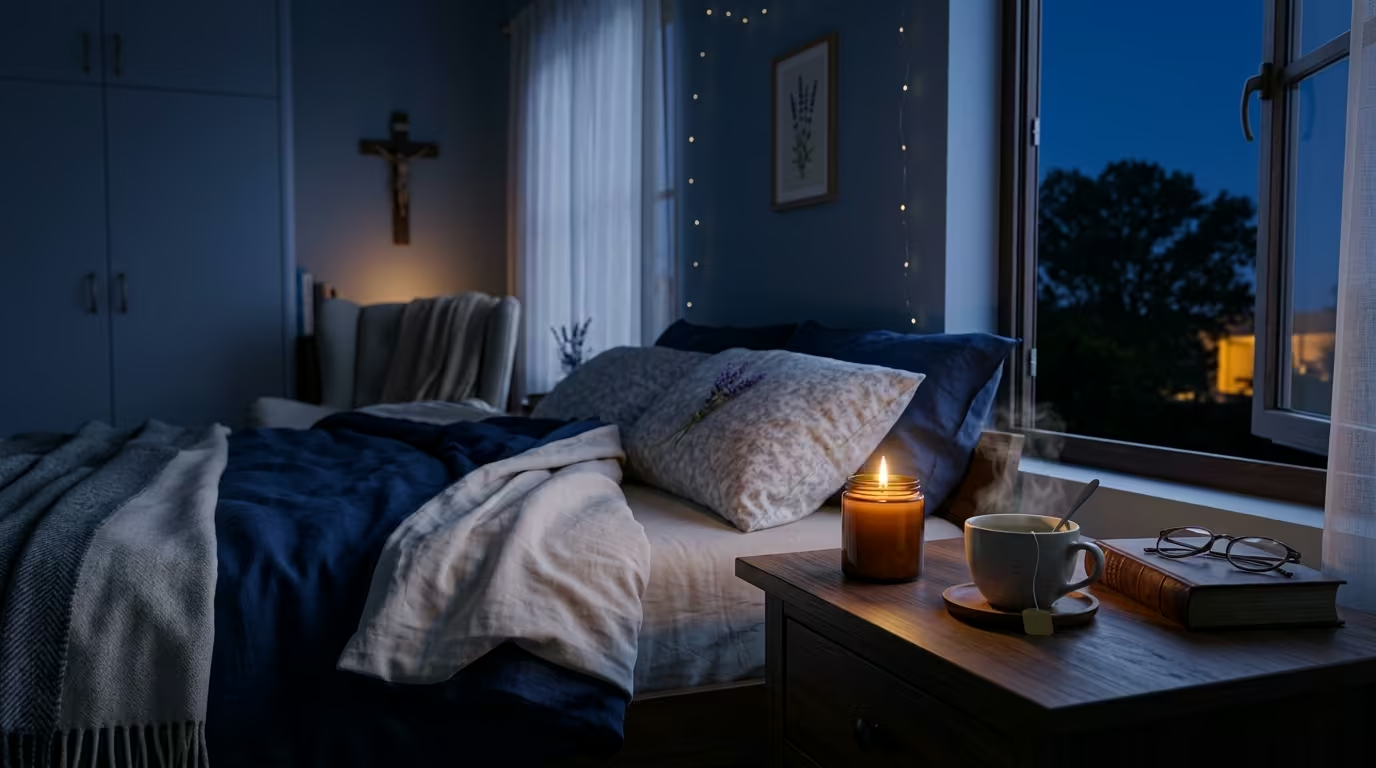
The phone goes down, the lights dim, and the head still holds a full working day. Whole minutes pass before sleep, and the room offers nothing to help. For millions of people, the wind-down fails at the same step: nothing marks the boundary between daytime and rest.
A candle can draw that boundary. Best candle scents for sleep share a profile: soft, warm, and familiar, aromas that tell the brain it is safe to slow down. This guide ranks the seven most effective sleep scents, explains why each works, and shows how to build a bedtime candle routine that actually sticks. The related scented soy candle relaxation guide looks at mood benefits without making medical claims.
What Makes a Scent Sleep-Friendly
Not every pleasant smell helps sleep. Sleep scents share three traits. They stay soft rather than shouty. They lean warm or floral rather than sharp or sour. And they carry associations of calm, because scent memory does half the work. If this is useful, our guide on Best Candles for a Home Spa Night goes further into related ground.
The Calm Association Factor
The brain builds scent-to-mood links faster than most people expect. A scent only burned at bedtime “becomes” bedtime after a week. That is why the same lavender candle in the same chair works better than a novelty scent rotated nightly. Consistency trains the association.
Softness Over Strength
A sleepy candle is a gentle candle. Rich, booming fragrances wake the senses up; quiet washes of lavender and chamomile calm them down. If you can smell a bedroom candle strongly from the doorway, it is likely too loud for sleep. The best sleep candles perfume the air, not the landing.
The Seven Best Sleep Scents
These seven scents come up again and again in sleep research and in actual nightstands. Every one sits in the calm and familiar families. Rank roughly by prominence in the bedtime world, they cover everything from the classic lavender to the underrated clean neutral.
- Lavender: the undisputed sleep champion.
- Chamomile: gentle, floral, and warm.
- Bergamot: bright enough to settle the mind.
- Sandalwood: deep, creamy, and grounding.
- Vanilla: sweet comfort for the anxious brain.
- Rose: soft floral calm for evenings.
- Clean cotton: a simple, neutral reset scent.
Lavender, the Classic
Lavender dominates the sleep-scent world for a reason. Its floral profile reviews as calming in study after study, and its familiarity makes it the safest pick for any sleeper. It blends beautifully with vanilla and chamomile. Start here if you have never tried a sleep candle.
Chamomile and the Rest of the Herbal Family
Chamomile brings a softer, grassier flower to the bedside. It reads warmer than lavender and suits people who find lavender too perfumed. For the herb-forward sleeper, chamomile-led blends and a touch of rose offer the gentlest route into the quiet evening.
How to Build a Bedtime Candle Routine
A scent alone sends the signal weakly; a scent repeated at the same time every night sends it loudly. The routine is where the habit forms. The ritual takes under five minutes and rewards within the first week.
- Pick one sleep scent and keep it for bedtime only.
- Light the candle 20 to 40 minutes before you plan to sleep.
- Use it with the lights dimming, not with screens on full.
- Extinguish after 45 to 60 minutes and settle in.
- Keep the same candle on the same side table every night.
The 20-Minute Pre-Sleep Window
Lighting the candle while the lights still glow lets the scent fill the room before the body needs it. By the time you climb into bed, the air already carries the calm signal. That half-hour head start is the difference between “a candle in a bedroom” and “a bedtime ritual”.
Pairing With the Rest of Wind-Down
Candle time works hardest beside the other wind-down steps: tea, book, dimmed lights, a low phone. The candle does not replace them, it choreographs them. When the scent arrives at the same moment as the kettle and the chapter, the evening begins to pattern itself almost without effort.
Choosing the Right Sleep Candle
The right sleep candle balances scent strength with wax and burn. A clean-burning natural wax carries the gentle oils properly. Avoid novelty loud blends at first. Start with one honest scent, judged in your own room, before expanding the collection.
Reading the Label for Bedtime
Look for named calming oils such as lavender, chamomile, and sandalwood rather than vague night-sky marketing. A candle that says lavender carries lavender; one that says “moonlight” is a guess. The named ingredients also tell you the strength you should expect.
Matching the Candle to the Room
Bedrooms do not need a huge candle. A mid-size jar in a calm scent covers the room with a soft presence. For small spaces, a compact jar or a quiet tealight beside the bed delivers the same bedtime signal with less wax and less fragrance load.
When Candles Help the Most
The candle’s real value shows on the nights sleep feels furthest away. A well-timed lavender flame shifts the room’s mood before the body decides whether rest is coming. It works as a comfort signal on anxious nights, a pattern marker on good nights, and a non-screen activity on screen-heavy evenings.
The Anxious-Night Comfort
On restless evenings, the simple presence of a familiar calm scent and a small flame steadies the room. Lavender’s soft profile is the go-to. The scent does not erase worry, but it makes the space feel safe, which is often the first step back to rest.
The Evening Screen Swap
Using a candle as a reason to step off the phone gives the eyes and the brain a break. The warm flicker offers a gentler light than a screen, and the 20-minute window becomes a private, silent interval. That evening minute-to-candle habit is the most underrated sleep tip going.
Build a Gentle Sleep Ritual
Let the Scent Signal Evening
A bedtime candle works best as one small cue in a wider routine. The household can dim the lights, put the phone away, and choose the same gentle scent each evening. That repeated pattern helps separate rest from work. The candle should be extinguished before sleep and never left burning in an empty bedroom. Our scented candles range has more choices along these lines.
Keep the Note Soft
Lavender, light woods, and quiet herbal notes often feel less demanding at night. The reader should test a short burn early in the evening and notice the room’s response. A lavender soy candle pot offers a clear lavender starting point. Personal preference still matters more than a fixed list of supposedly perfect scents.
Frequently Asked Questions
What is the best candle scent to sleep better?
Lavender is the most proven and recommended sleep scent, with chamomile close behind. Both sit in the calm floral family and read as bedtime through scent memory. If you pick one, pick lavender; if you want a second, pair it with chamomile or vanilla.
Do scented candles actually help you fall asleep?
They help the wind-down that leads to sleep. Scented candles deliver familiar calm aromas that signal rest, dim the room with a warm flame, and create a consistent bedtime ritual. They support sleep rather than cause it. A good routine plus a calm scent measurably improves most evenings.
Are there candles I should avoid before bed?
Avoid energising and loud blends at night, such as strong citrus, mint-led, and heavy spice scents, which can wake the senses. Very strong fragrance in a small room can also disturb sleep. Keep bedtime candles soft, warm, and familiar.
How long before bed should I light a sleep candle?
Light the candle 20 to 40 minutes before you plan to sleep, alongside the dimming lights. That window lets the room fill with the calm scent before you settle. Extinguish after 45 to 60 minutes so the fragrance persists without an overly strong atmosphere.
Are sleep candles safe to leave burning while I sleep?
No. Never leave any candle burning unattended, including while you sleep. Burn it during the wind-down window and extinguish before settling in. The scent lingers in the room, so the sleep association works either way.
Can I use the same scent for focus and for sleep?
It is better to keep them separate. The brain learns scent-to-activity links, so the scent you use for focus becomes the scent that feels like work. Reserve your sleep candle for evenings only, and it will signal sleep far more reliably than an all-purpose scent.
Which wax is best for a bedtime candle?
Natural waxes such as soy, olive, and beeswax burn cleanly and release gentle oils steadily, suiting the calm sleep profile. They also produce less soot than harder paraffin, which helps bedroom air quality during the long quiet burn.
Where can I find genuine calming sleep candles?
The scented candles range at Christmas Candles UK carries lavender, chamomile, and soft floral jar candles with honest ingredient labels. Pick one calm scent for the bedside, keep it to evenings only, and let the routine build your sleep signal night by night.
Conclusion
The best candle scents for sleep all share one job: telling the brain the day is over. Lavender leads, chamomile follows, and warm florals, sandalwood, and clean cotton complete the calm family. Burned at the same time each evening, in a quiet 20-minute window, the scent becomes a ritual your bedroom learns to obey.
Give your nights a scent they can recognise. Pick a lavender or chamomile jar from the scented candles collection at Christmas Candles UK, light it on time, and let the soft flame carry you into the calm of the evening.