
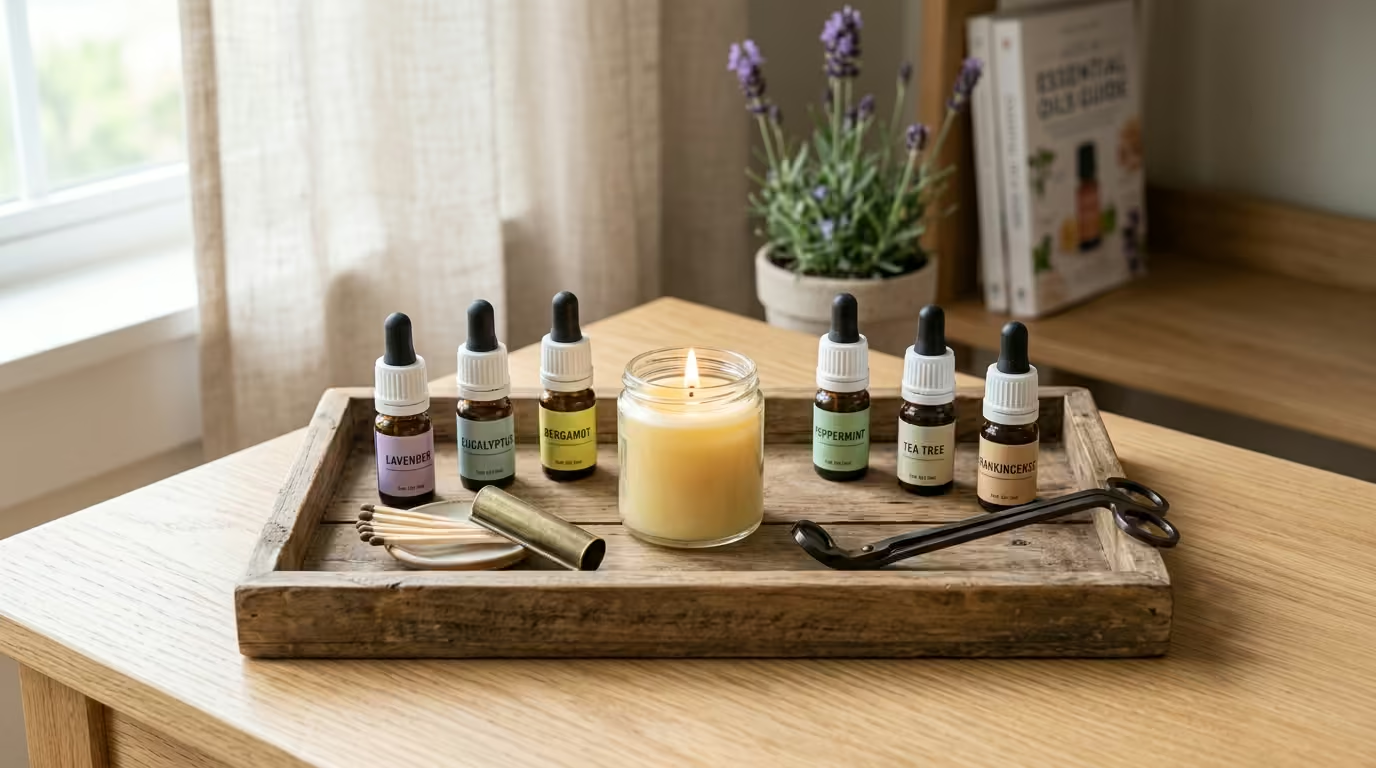
Pick up a jar labelled “aromatherapy” and the promise is enormous: calm, energy, sleep, all from a stick of wax. For a beginner the scene intimidates. Rows of candles, a shelf of oils, and a dozen conflicting rules about burn times and trimming. The overwhelm stops thousands of people before they light their first candle.
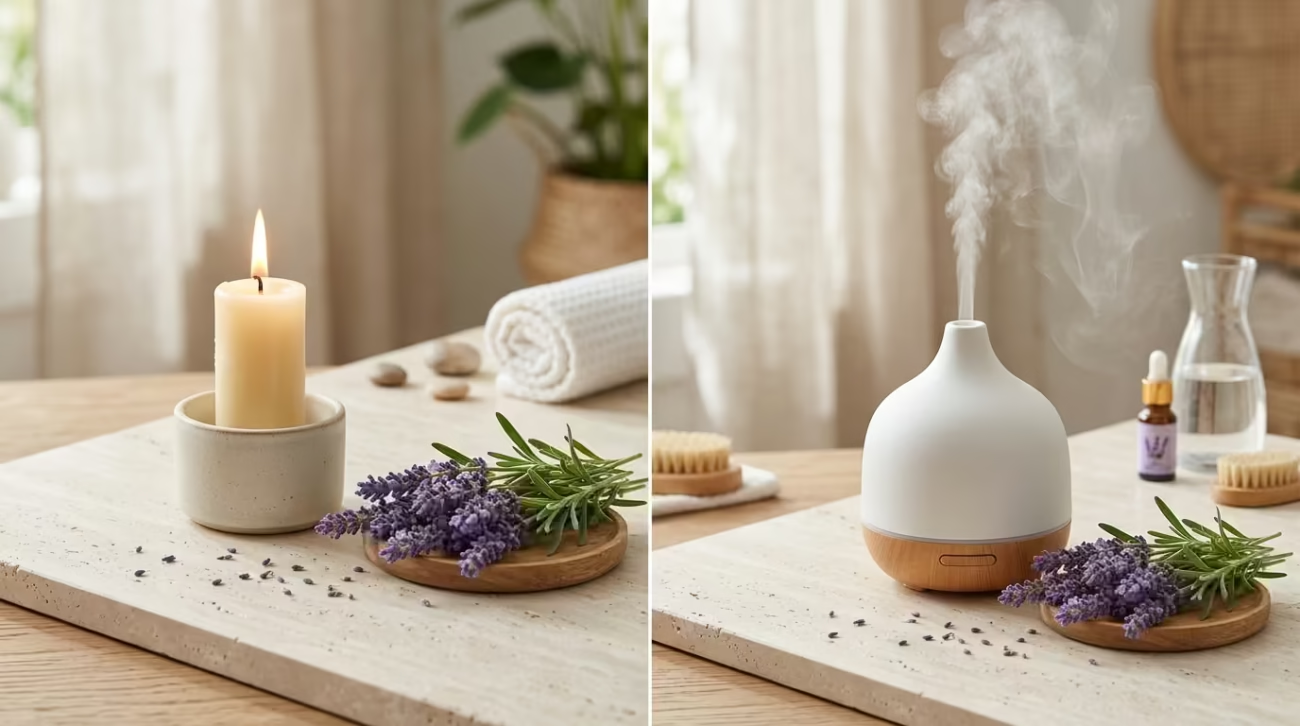
Relax: candle aromatherapy takes about an evening to learn and a week to master. This beginner’s guide walks the whole process from the first purchase to the nightly ritual, with the essentials only and none of the jargon. Read it once, light your first candle with confidence, and the habit will take care of itself. The related aromatherapy versus diffuser guide compares the two ways to scent a room. Our guide on Candle Fragrance Throw Explained: Light, Medium and Strong covers this in more depth.
What You Actually Need to Start
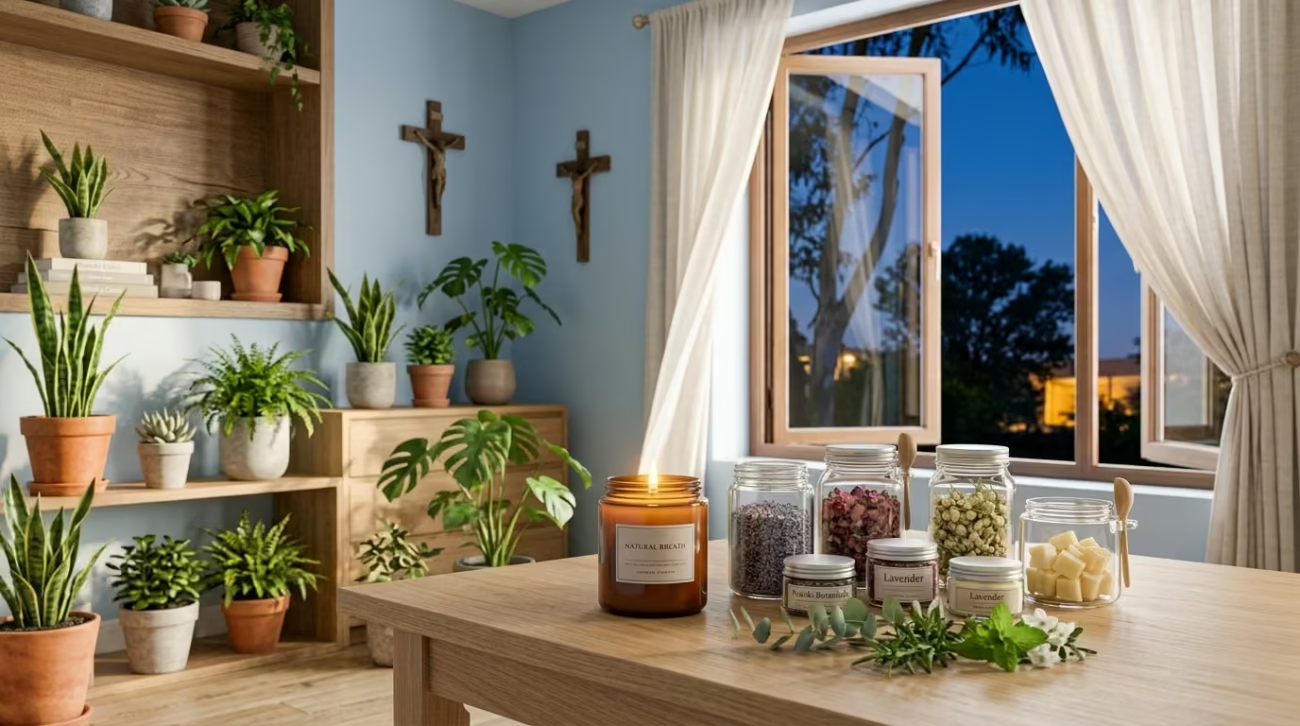
Beginner’s kits overpromise. The truth is that serious candle aromatherapy needs three things only: a good natural-wax candle, a way to light it, and a quiet corner. Everything else is optional garnish. Start there and upgrade only when a real need shows up.
The Starter Candle
Buy one honest candle in a proven calm scent like lavender or chamomile, with named essential oils and natural wax. A single good candle teaches more than a box of novelties. Browse a clean soy jar first; it burns long, smells true, and mistakes are cheap.
The Lighting Kit
A simple lighter or a long-reach match is enough. Add a wick trimmer later if the wick mushrooms after a few burns. A snuffer is a lovely extra, but blowing the candle out works perfectly well while you decide if you like the ritual at all.
Choosing Your First Few Scents
The beginner’s scent shelf should cover three moods: calm, clear, and bright. That single trio covers most of an ordinary week. Do not start with a pile of bottles. Three scents, three moods, and one candle at a time is plenty to learn what your nose actually prefers.
- Calm: lavender or chamomile for evenings.
- Clear: eucalyptus or cedar for focus and reset.
- Bright: bergamot or sweet orange for morning lift.
The One-Scent-at-a-Time Rule
Candle aromatherapy has no exams. Light one candle, smell the room, notice how you feel. Keep a note of what works and what does not. Within a fortnight you will know your own preferences better than any guide can tell you, because your nose is the only authority that matters.
Trusting the Name on the Label
Favour candles that name their oils. A candle that says “lavender” carries lavender. One that says “moonlight” is a guess. For beginners, named scents remove the mystery and teach the family associations: lavender for calm, citrus for bright, wood for grounded. The clearer the label, the faster the learning.
How to Burn It Well
Candle aromatherapy lives and dies on simple burn habits. The first burn decides everything. Let the wax pool melt fully across the top before you blow it out, which prevents tunnelling and extends the candle’s useful weeks. Trim the wick to a salt-grain length before each session.
The First Burn Rule
The first burn is the most important: keep it running until the whole top surface becomes liquid wax. That can take an hour on a wide jar. The pool establishes the candle’s memory, and candles that pass their first burn cleanly keep burning cleanly.
Steady Sessions, Not Marathons
Burn for about an hour per session rather than all evening. The room fills, the scent reaches its best, and the wax pool stays healthy. Overburning fouls the wick and scorches the scent. Short, regular, clean burns are the beginner’s secret to a candle that lasts.
Building the Ritual That Sticks
Aromatherapy lights the candle; ritual keeps the habit. The beginner version is almost embarrassingly simple: a set time, a calm scent, a small offline activity. Put those in place and the weekly ritual builds itself.
Choose the Calm Hour
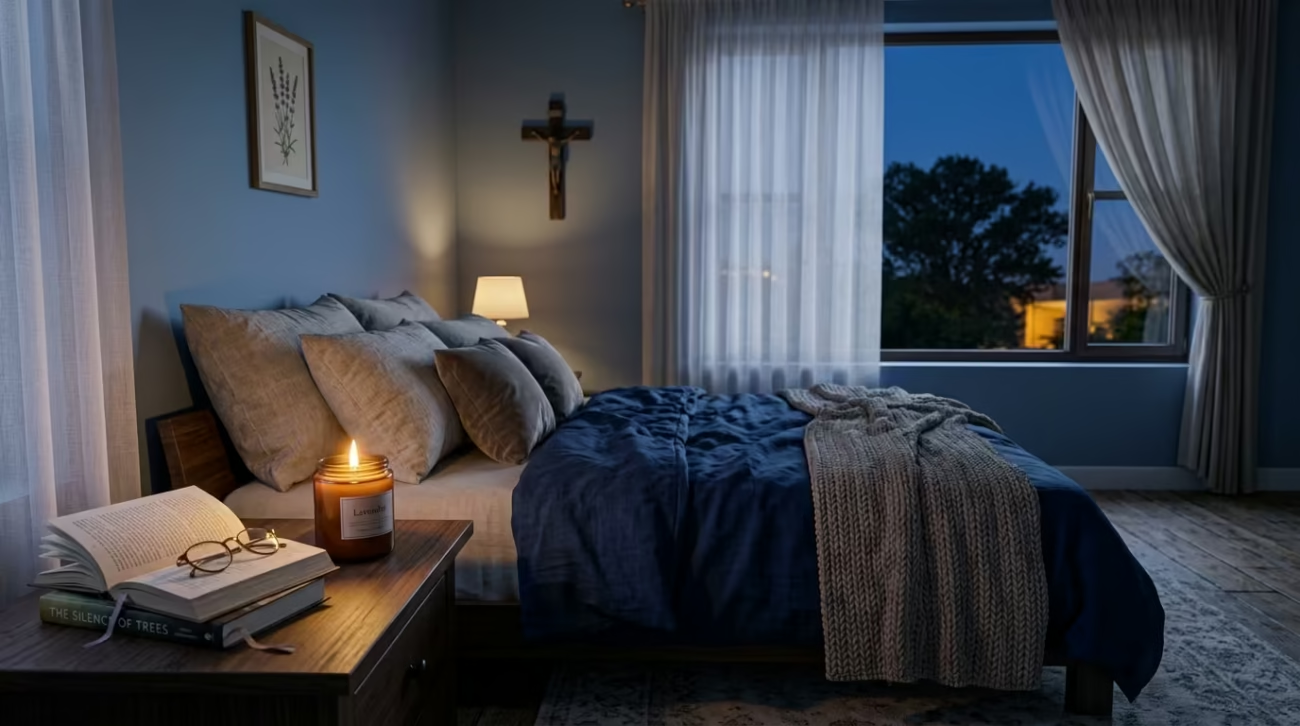
Pick a fixed evening hour, light the candle, dim the room, and spend the flame’s life in one quiet activity. Reading, stretching, a long bath, all work. The point is not productivity; it is the reliable pause the candle marks each night.
Keep It Off the Screens
The biggest upgrade a beginner can make is leaving the phone away from the candle’s half hour. The warm light and the familiar scent work their calm best when nothing competes. Within a week, the candle’s presence alone will start the wind-down the moment you light it.
Common Beginner Mistakes to Skip
Every beginner repeats the same four errors. Knowing them in advance saves money, wax, and a lost week. Skip these and your first month runs smooth from the first burn to the last.
- Buying a whole collection at once instead of one good candle.
- Skipping the first burn, which teaches the candle to tunnel.
- Burning all evening until the wick fouls and the scent dulls.
- Sniffing the candle cold, then being surprised the hot burn differs.
The Overbuy Mistake
Resist the shelf of novelties. One excellent candle shaped your taste better than eight average ones, and the waste is smaller if the scent misses. Treat the first purchase as a trial, then expand deliberately once you know what your evenings want.
The Tunnelling Mistake
Burning a wide candle too briefly leaves a tube of unmelted wax against the glass, which wastes the outer edges forever. The first long burn fixes this in one go. If a tunnel has already formed, give the candle one generous session to catch the walls up before you judge the scent.
Begin With One Aromatherapy Note
Keep the First Session Simple
A beginner does not need a shelf full of oils and candles. One familiar scent, a clean holder, and a short supervised burn are enough to learn how the room responds. The reader should note whether the scent feels fresh, sweet, woody, or too strong. This simple record makes later choices more informed and less expensive. Our scented candles range has more choices along these lines.
Test the Placement
The candle should sit on a stable, heat-resistant surface away from drafts and fabrics. A orange scented glass jar candle provides a clear citrus example for a first home aromatherapy session. The household can compare it with a diffuser later, but it should change only one scent or tool at a time.
Frequently Asked Questions
What do I need to start candle aromatherapy?
Three things: one natural-wax candle with named essential oils, a lighter or matches, and a quiet corner. Start with a single lavender or chamomile candle. Buy the extras like trimmers and snuffers only when the ritual earns them.
What is the best first candle scent?
Lavender is the best first choice because its calm association is well established and its softness suits almost any nose. Chamomile is a gentle alternative. Start with one calm scent, learn to burn it cleanly, then add a bright citrus and a woody option later.
How long should I burn an aromatherapy candle?
About one hour per session, after letting the first burn pool fully across the top. That window fills the room and keeps the wick healthy. Regular hour-long sessions outlast bare-several evening marathons and taste the fragrance better.
Do I need an expensive candle for aromatherapy?
No. Clean natural wax and named essential oils matter more than price or packaging. A mid-price soy jar with honest lavender oil outperforms a costly novelty blend. Buy the ingredients you can check, and skip the brand theatre.
How often should I use aromatherapy candles?
Every evening is fine for a gentle candle used for about an hour. There is no sensible upper limit for adults in a ventilated room. Listen to your nose: if a scent becomes invisible, either rest that blend for a while or switch to another mood’s candle.
Are there scents I should avoid as a beginner?
Start soft and avoid the loud spice and novelty blends until you learn your taste. Very strong candles overwhelm a bedroom and teach the wrong lesson. If a candle smells loudly from the doorway, save it for an open living space and learn with something gentler.
How do I know a candle is true aromatherapy?
Read the ingredients. Genuine aromatherapy candles name their essential oils, such as lavender or bergamot, and usually pair them with natural wax. Vague claims with a “fragrance” listing mean scented-with-theme. For beginners, named oils are both honesty and a lesson in scent families.
Where do I start buying aromatherapy candles?
Start with the scented candles range at Christmas Candles UK, picking one named lavender soy jar for the evenings and one citrus option for mornings. Two candles cover your first fortnight, and the labeling tells you exactly what each one carries as you learn.
Conclusion
Candle aromatherapy for beginners is a three-step skill: buy one honest candle, burn it cleanly, and repeat at a set hour. No shelves of vials, no jargon, no pressure. The natural wax does the clean burning, the named oil does the calm work, and the fixed evening time turns a nice smell into a genuine ritual within a week.
Light your first candle and let the habit build. Pick a named lavender jar from the scented candles collection at Christmas Candles UK, follow the first-burn rule, and discover what your evenings have been missing.