

The candle glows beautifully, the evening winds down, and then comes the least elegant moment of the whole ritual: the puff of breath, the curl of smoke, the tiny flicker of a flame fighting extinction. It works, but it feels like an ending in a hurry. Half the candle’s mood evaporates in that smoky finish.
A candle snuffer exists to end the flame with poise. Candle snuffer is the classic bell-on-a-handle tool that smothers the flame by starving it of oxygen, quietly, smoke-free, and with a small click of finality. This guide covers what they do, the types on the market, and whether your candle collection needs one. The linked candle safety checklist puts snuffing into the wider routine of safe candle use.
What a Candle Snuffer Actually Does
A snuffer is a small bell or cup on a long handle. You place the bell over the flame, the oxygen cuts off, and the flame dies in seconds without being blown. No smoke, no soot, no wax sprayed across the table. The wick stays neat, and the room keeps its calm.
Why It Beats Blowing
Blowing a candle out flings smoke and sometimes sparks fine soot across the glass or the table, and it can push hot wax. A snuffer smothers with silence. For anyone lighting candles weekly, the snuffer is the difference between a tidy ritual and a smoky one. For more on this, see our guide on Candle Making for Beginners: The Complete Starter Guide.
The Small Click Finality
There is a certain satisfaction in the snuffer’s sound, the soft metal thud of the flame ending. The ritual closes with a click instead of a puff. Small as it sounds, that finish matters at dinners, ceremonies, and the end of every calm evening.
The Main Types of Snuffer
Snuffers come in a few families, each suited to a different table or shelf. The differences are ergonomics and style, not function; all of them cut the oxygen and end the flame. Knowing the families stops the accessory aisle mystifying you.
- The classic bell snuffer: the timeless handle-plus-bell.
- The wick dipper: a long arm that folds the wick into the wax.
- The candle cover: a slim tube that caps the flame.
- The pick-and-trim version: snuffer with a wick trimmer attached.
The Classic Bell Snuffer
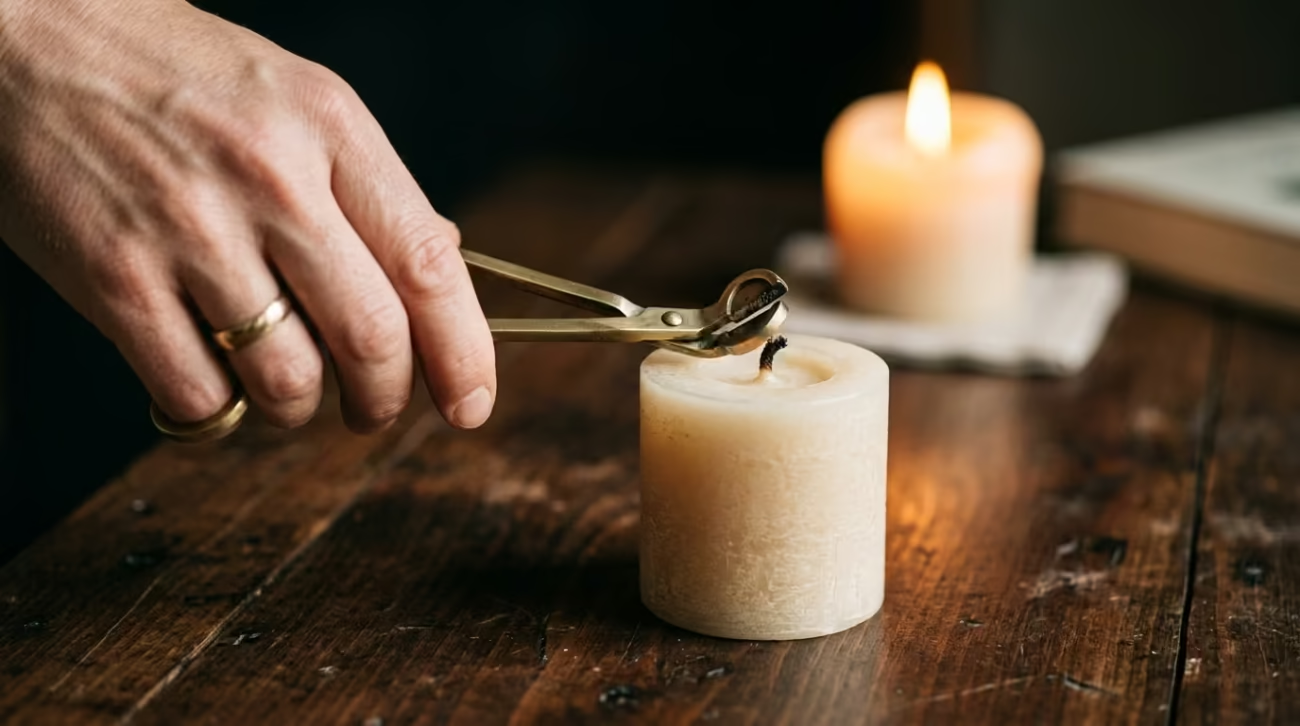
The bell snuffer is the image everyone holds: a conical or domed chamber on a long elegant handle, often brass. It suits tapers, pillars, and any candle with access from above. The long handle keeps the hand well away from the heat, and the bell negotiates the widest range of flames.
The Wick Dipper and the Cover
The wick dipper folds the burning wick into the wax pool, killing the flame in one gentle angle, popular with jar candles where a bell cannot reach. The candle cover is a slim metal tube that slides down over the flame, used where hand-room is tight. Each solves the same problem in a tighter shape.
Using a Snuffer Properly
The technique is easier than blowing. Steady hand, hold the handle, lower the bell straight over the flame until it meets the candle’s rim, and wait the two seconds for the flame to yield. Lift the bell away and the wick is neatly extinguished with a clean tip.
The Angle Rule for Tapers and Jars
For a taper, lower the bell straight down until it seats on the holder rim for a beat. For a jar, tilt the bell or use a wick dipper to reach past the rim. Prying at the edge of the flame leaves it sputtering; committing the bell fully snuffs it cleanly.
Keeping the Snuffer Clean
A snuffer’s bell collects a faint wax or smoke film over time. Wipe it with a soft cloth now and again; a drop of warm soapy water handles the stubborn film. A clean snuffer stays sticky-free and pulls away from the wick without touching the flame.
When You Actually Need One
Nobody strictly needs a snuffer, and every frequent candle user eventually wants one. The line is drawn by how often you light candles, and by where the flames live. Casual users manage fine blowing out; dedicated enthusiasts buy the tool for the ritual and the smoke control.
The Frequent-Burner Argument
If you burn candles most evenings, the snuffer pays for itself in tidiness alone. Every extinguish becomes clean, and the wick stays neat for the next burn. A snuffer also sits right beside the wick trimmer in the small kit that makes candle care effortless.
The Ceremonial and Dinner Case
For dinners, ceremonies, and anyone lighting and extinguishing several candles in sequence, the snuffer is not luxury, it is choreography. It ends each flame without smoke drifting over food or guests. The next course arrives through crisp air, not a wisp of burnt wick.
Choosing the Right Snuffer for You
The choice comes down to three things: the candles you own, the hand you hold it with, and the style you will look at nightly. A bell suits tapers and pillars; a dipper suits jars; the combination designs cover both worlds in one tool.
Matching the Tool to Your Candles
Look at your shelf honestly. Mostly jars means the wick dipper or a small bell with a long reach. Mostly tapers and pillars means the classic long-handle bell. If the collection mixes both, buy the combination version and settle the matter in one purchase.
Style and the Firmer Finish
Brass and steel suit traditional tables; matte black and wooden handles suit modern shelves. The snuffer lives on the mantel or sideboard, so it earns its place by looks as much as function. Choose the finish that already appears in the room and the tool will feel like it always belonged. For comparison, our candle holders collection covers a wider range of styles and prices.
Extinguish Without Extra Smoke
Use the Tool Before the Flame Grows Tall
A snuffer can cover a flame without the sudden gust that comes from blowing. That helps reduce smoke, wax splashes, and a drifting ember. The user should lower the tool gently over the flame and lift it once the wick is fully dark. The candle still needs time to cool before it is moved or covered.
Keep It Beside the Candle
The safest tool is the one that can be reached without crossing hot wax or searching through a drawer. An automatic candle snuffer gives the household a dedicated way to end each burn. The snuffer should remain dry, clean, and stored where children cannot treat it as a toy.
Frequently Asked Questions
What does a candle snuffer do?
It smothers the flame by cutting off oxygen with a small bell on a handle. The flame dies within seconds, without smoke, soot, or blown wax. Snuffers end candles cleanly and keep the wick neat for the next burn.
How do you snuff a candle without blowing it?
Lower the snuffer straight over the flame until it seats on the candle’s rim, hold for about two seconds, then lift away. The flame dies silently. Alternatively, a wick dipper folds the wick into the wax pool to end the flame.
Are snuffers worth buying?
Yes if you light candles regularly. The snuffer removes smoke and blown wax from every ending, keeps wicks cleaner, and adds a satisfying ritual click. Occasional candle users can manage with a careful blow, but dedicated users notice the difference within a week.
Does a snuffer stop candles from smoking?
Almost completely. Blowing a candle flicks smoke from the smouldering wick; snuffing starves the flame of oxygen so it ends with no smoke. Light trace smoke can rise from the tip, but nothing like a blown wick’s plume.
Can you use a snuffer on jar candles?
Yes, with the right shape. A long-reach bell can cover a jar flame, and a wick dipper works even better by folding the wick under. For tight jars, the dipper is the reliable tool and the bell struggles.
What is the difference between a snuffer and a candle cover?
Both end flames, but differently. A snuffer bell surrounds the flame with a chamber that starves it of oxygen. A slim candle cover slides down over a single wick in a tighter space. Choose the cover for narrow vessel flames and the bell for open tapers and pillars.
Should I trim the wick before or after snuffing?
Both, traditionally: trim before lighting to control the flame, and snuff cleanly after. If you prefer a tidy tip for the next burn, some combi tools pair the snuffer with a wick trimmer. Neat wicks burn smaller flames and drip less, which is the whole tidy-candle loop.
Where can I buy a candle snuffer?
The candle holders range at Christmas Candles UK carries snuffers and candle-care accessories to match the tapers and pillars on the shelf. Grab a snuffer, add a trimmer, and every candle night ends with a clean click instead of a smoky puff.
Conclusion
A candle snuffer is the quiet end to the candle ritual: a bell on a handle that smothers the flame in two seconds, with no smoke and no mess. It beats blowing, keeps the wick clean, closes ceremonies with a click, and earns its place on any frequently used shelf. The classic bell serves tapers; the dipper serves jars; the combination design serves everyone.
End tonight’s candle the clean way. Pick a snuffer from the candle holders range at Christmas Candles UK, add it to your candle kit, and close every evening with a quiet click.