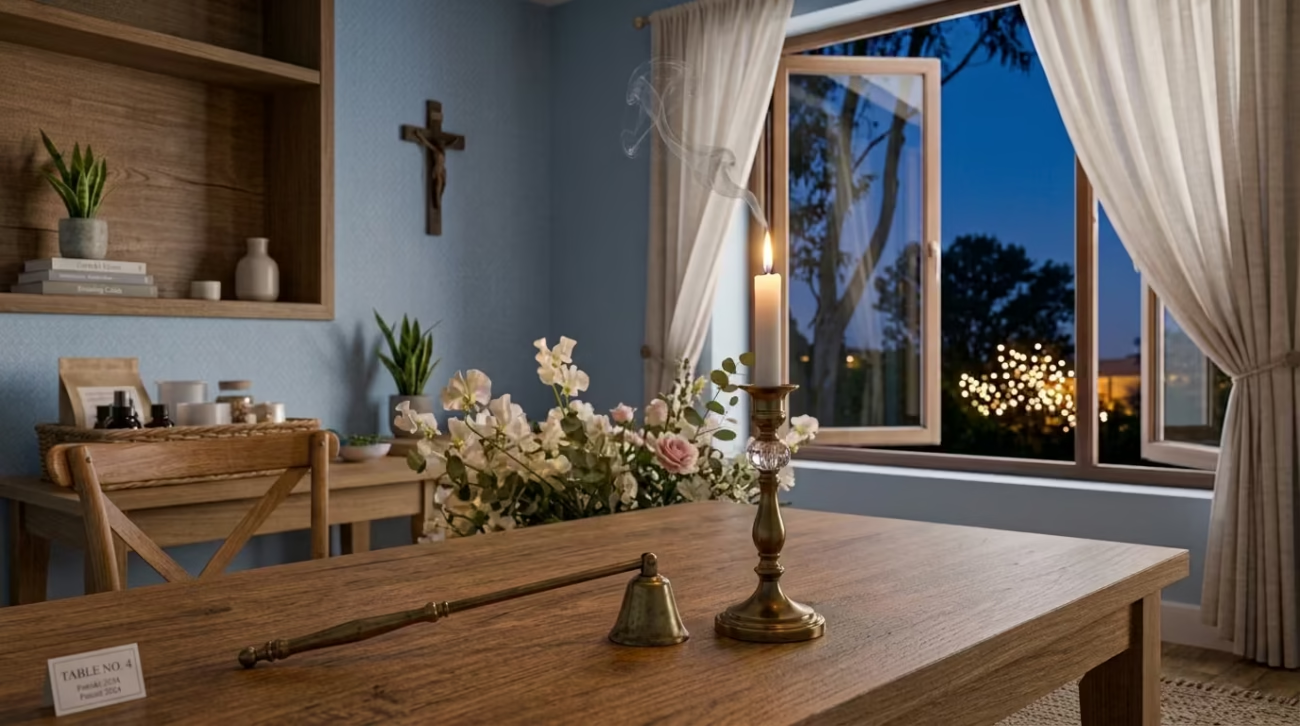

A cheap-looking candle in a gorgeous holder can still look wrong if the fit is off. The candle wobbles, the base seems too big, or the flame leans dangerously close to the rim. Most of these problems come from one simple oversight: nobody measured the candle before choosing the holder. If this is useful, our guide on Candle Table Centrepiece Ideas Using Candles and Holders goes further into related ground.
Getting candle holder sizing right takes thirty seconds and a ruler. You measure the candle’s diameter, choose a holder that fits around it with a small margin, and match the base size to the surface. This guide explains the numbers behind the fit, so every candle you own sits proud, secure, and beautiful. The linked candle holder materials guide compares the practical strengths of each base.
Why the Correct Fit Matters More Than Looks
The fit is not only about aesthetics. A holder that is too small can crack when the candle’s wax softens and expands. A holder that is too large lets the candle rock and tip, which is a genuine fire hazard. The right size protects the candle, the holder, and your table in one swoop.
The Problem With a Too-Small Holder
Pillar candles expand very slightly as they warm. If the candle is wedged into a holder that is smaller than its diameter, that gentle swell has nowhere to go. Glass can crack, ceramic can chip, and the wick can end up sagging against a hot wall. Always leave breathing room around the base rather than forcing a snug fit.
The Problem With a Too-Big Holder
When a candle rattles inside a holder, it leans. A leaning flame does three bad things: it drips wax unevenly, it scorches the holder’s rim, and it gets dangerously close to whatever is beside it. A candle should stand straight with no more than a couple of millimetres of side-to-side play. Anything looser needs fixing, not ignoring.
Measuring Your Candle for a Holder
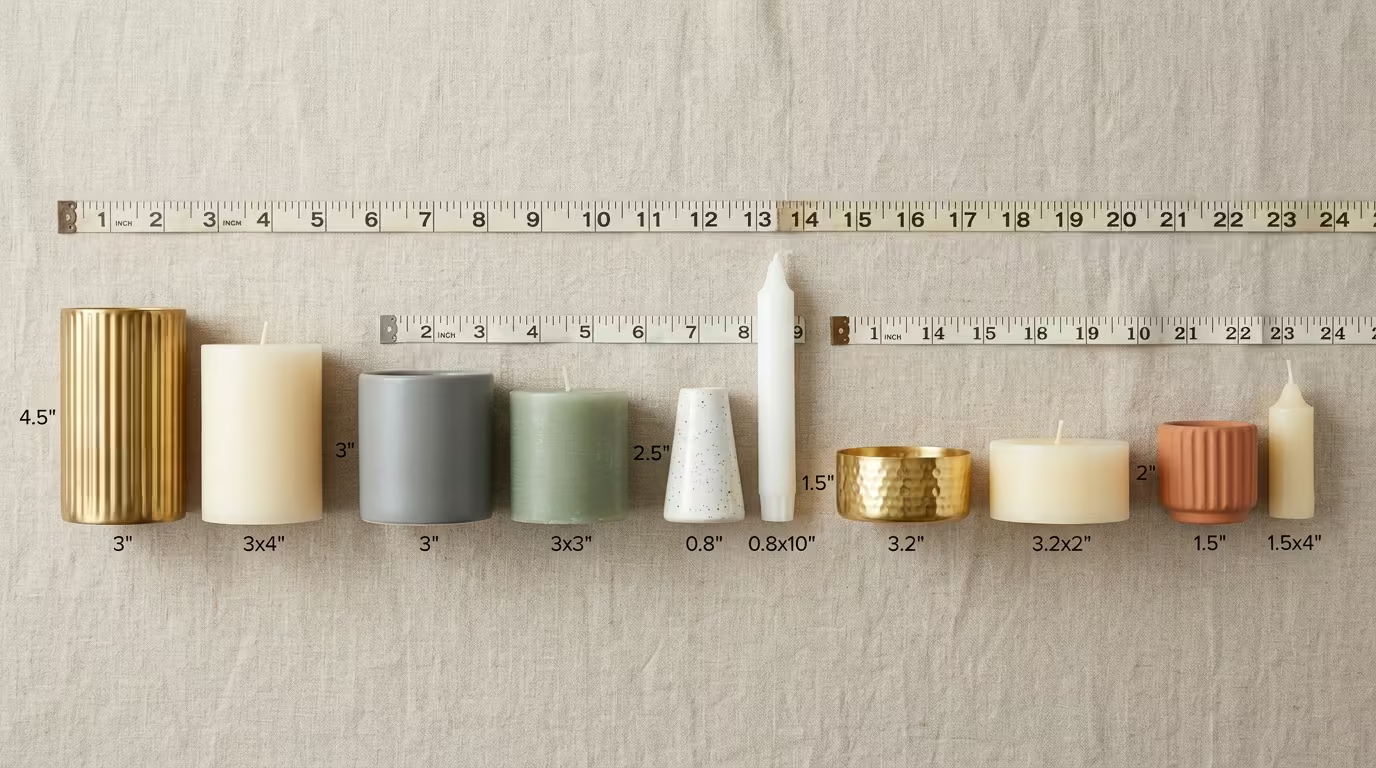
Before shopping, grab a ruler and write down the diameter of the candle at its base. Pillar candles are sold by diameter in millimetres, so a 60mm candle measures 60mm across. Tapers are trickier, because they taper from top to bottom, so measure the base end where the holder actually grips.
Using the Candle’s Own Specs
Most good retailers list the candle dimensions on the product page. The pillar candle range at Christmas Candles UK states both width and height, such as 50x100mm or 80x200mm. Match the stated diameter to the holder’s stated opening and you barely need to measure at all.
The Two-Millimetre Margin Rule
For pillar candles in a cup or plate holder, aim for an opening about two to four millimetres wider than the candle. For taper holders, the opening should be slightly smaller than the taper base so the candle wedges in and stands firm. Both approaches remove wobble while letting the wax move freely.
Choosing a Holder for Pillar Candles
Pillars stand on their own, so the holder’s main job is catching drips and protecting the surface. Three styles dominate: candle plates, votive cups, and hurricane globes. Each changes how generously the holder can be sized.
- Candle plates: Flat bases with a small lip. Choose a plate with a diameter at least double the candle’s so splash and drips land on the plate.
- Votive cups and tapers cups: Wrap around the base. Choose an opening two to four millimetres wider than the candle.
- Hurricane globes: Glass cylinders that sit over or around the candle. Choose an interior diameter at least 20mm wider than the candle for airflow.
Pillar Base Plates
A pillar candle alone on a plate tends to sweat and pool near its base in warm rooms. Give the plate a broad diameter and a low lip. Many decorative candle holder designs at Christmas Candles UK are measured to fit 60–80mm pillars comfortably, which covers the most popular mantlepiece sizes.
The Hurricane Option
Hurricane holders add drama and draft protection. Because the glass surrounds the flame, sizing is about airflow rather than grip. The interior needs enough room for the flame to burn without the glass blackening. Over-generous sizing is always safer here than a tight sleeve.
Choosing a Holder for Taper Candles
Taper holders use a spring or a tight cup to grip the slim base. Size matters immediately: a taper base that is too wide will not seat, and one that is too narrow dangles. Measure the taper base in millimetres and compare it to the holder opening before buying.
Candelabra and Single Tapers
A candelabra has fixed cups, so check the base size of the taper candle you plan to use. Standard dining tapers sit in cups around 10–15mm across at the base. If you already own candlesticks, buy tapers that match them rather than hoping for a loose fit. The elegant taper candles in our candle gift sets collection list their sizes so you can pair them precisely.
Budget for the Whole Set
Holders often come in pairs or sets for symmetry on a mantelpiece or dining table. When sizing a set, keep every candle the same base diameter so one holder is not fighting a different fit. Mixed sizes within a set look great, but only when each candle sits correctly in its own holder.
How Holder Base Size Affects Stability
The top opening is only half the story. The base area of the holder decides stability. A tall holder needs a wide, heavy base, or the whole assembly topples at the first nudge. On a mantelpiece, a holder that overhangs the edge is a risk; check the base sits fully on the surface.
The Height-to-Base Ratio
A useful rule is that the base diameter should be at least a third of the holder’s height. A 30cm candlestick with a 5cm base is an accident waiting for a cat. If you love tall holders, look for weighted bases, filled or cast iron, or add a heavy plate beneath for security.
Surface-Level Considerations
Different rooms call for different bases. Dining tables need flat, level feet that will not scratch the wood. Mantelpieces need holders that resist being knocked by curtains and ornaments. Before buying, picture the holder in its real spot and imagine the knock, the draught, and the wipe-down.
Test the Fit Before Lighting
Measure the Opening and Base
A correct holder fit has two parts. The opening must support the candle without squeezing it, and the base must remain stable on the furniture. The reader should measure the inside width rather than trusting an outside label. A ruler gives a quick answer, while a soft measuring tape helps with curved holders. These checks prevent wobble and uneven heating.
Leave Room for Safe Removal
A candle should lift out without force after the wax softens. A tight fit can transfer heat into a fragile holder and make removal difficult. An 80x200mm ivory pillar candle provides a clear size reference for a wide pillar display. The holder should still leave a small, even gap around the candle, with no loose movement when the surface is gently nudged. It is worth browsing our candle holders collection to see how the options compare.
Frequently Asked Questions
How do I know what size candle holder I need?
Measure the diameter of the candle at its base. For pillar candles, choose a holder opening two to four millimetres wider. For taper candles, choose a holder whose cup is slightly smaller than the taper base so it wedges snugly. Most candle pages list dimensions to save you the measuring.
Can I use a holder that is bigger than my candle?
With limits, yes. A small candle on a generously sized plate looks fine, especially in a cluster. The problem is sideways movement. As long as the candle stands upright and cannot tip, extra plate area is harmless. Just keep the base flat and the surface level.
What happens if a candle holder is too small?
The candle can crack the holder as its wax warms and swells, and the flame can end up touching a wall of the cup. Forcing a larger candle into a smaller cup is never worth the risk. Size up the holder instead.
Do taper candles fit all taper holders?
No. Taper bases vary, and holders grip with springs, spikes, or tight cups. Measure the base of the taper and match it to the holder opening. A taper that rattles will drip and lean, so always buy a matching pair rather than approximating.
What size hurricane glass do I need for a pillar candle?
Choose a hurricane with an interior at least 20mm wider than the candle. The glass needs airflow so the flame burns clean and the sides stay clear of blackening. Oversized hurricanes look dramatic and let you swap candles of different widths underneath.
Should pillar candle holders be the same width as the candle?
The opening should be slightly wider, around two to four millimetres, but the plate base should be much wider, roughly double the candle diameter, to catch drips. Both parts matter: grip at the opening, protection from the base.
Can one holder fit different sizes of candle?
Some do. Plates and hurricanes accept a range of widths easily. Cup-style holders are fixed by their opening, so they suit a narrow range. If you swap candles often, invest in open-top designs like hurricane globes or wide plates that forgive size differences.
Where can I find holders sized for my candles?
The candle holders category at Christmas Candles UK lists holder dimensions alongside its range, so you can match them to your candles before checkout. Whether you need a single cup for a pillar or pairs for dining tapers, the sizing is given to get the fit right.
Conclusion
Candle holder sizing is a two-measurement job: the candle’s diameter and the holder’s opening. Pillars want a small grip margin and a big catching plate; tapers want a cup that grips the base firmly. Stability follows the base, so never trade a pretty silhouette for a tipping hazard.
Match your existing candles to the right base and every display looks considered, not thrown together. Explore our candle holders range at Christmas Candles UK, from single cups to hurricane globes, sized to fit the candles you already love.