
Essential oils enter the home through two very different front doors. One route is the candle: a wick, a pool of warm wax, and scent released on a flickering flame. The other is the diffuser: a quiet plastic-and-glass machine that mists oil into the air for hours. Both deliver the same botanical family, yet the rooms they suit could not be more different.
Choosing between aromatherapy candles vs diffusers is not a matter of one being better, it is a matter of matching the tool to the moment. This guide compares them honestly on heat, duration, cost, and mood, so the choice after reading is easy instead of anxious. The related aromatherapy candle guide explains the difference between fragrance and aromatherapy claims. This connects closely with our guide on Best Candle Scents for Sleep: 7 Calming Nighttime Picks.
The Core Difference: Heat vs Mist
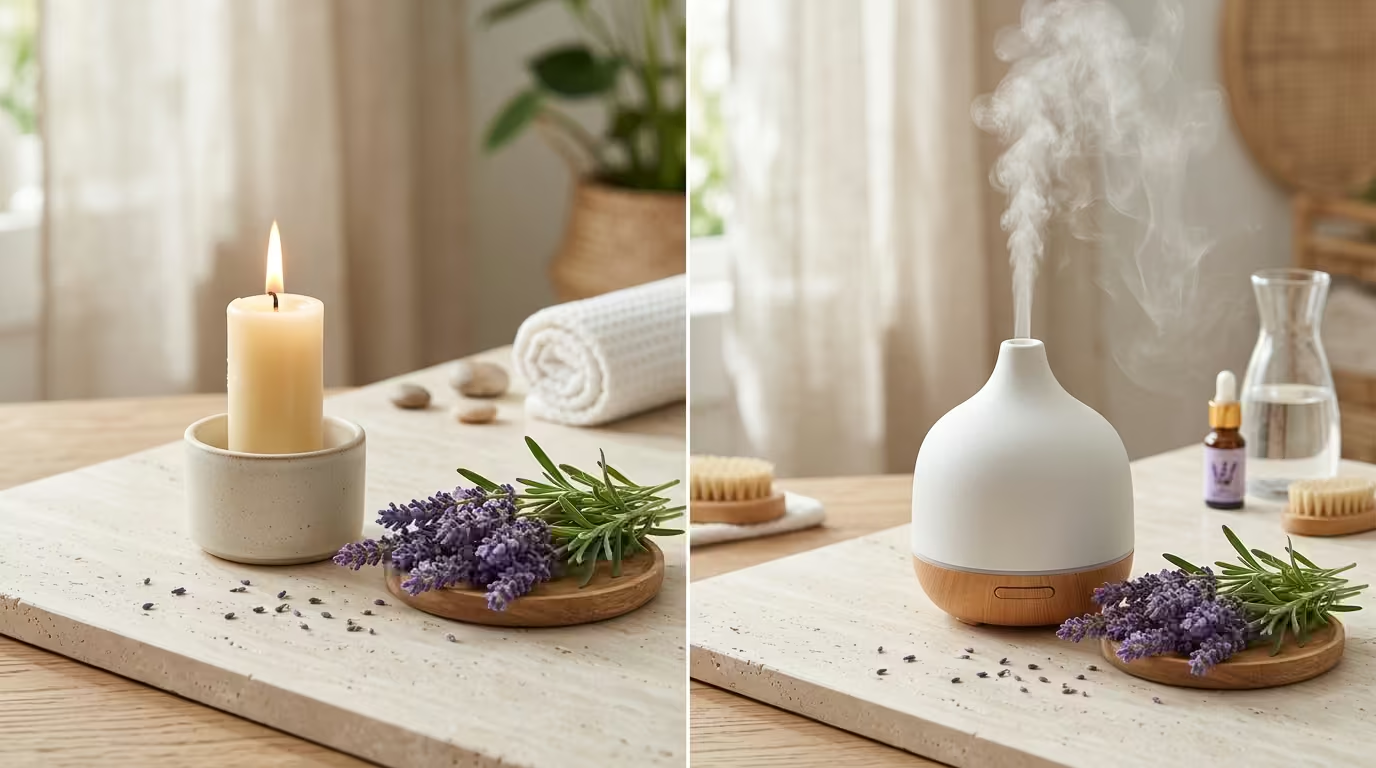
The two tools deliver oils by opposing mechanics, and that mechanic decides everything downstream. A candle releases essential oils by heat, vaporising them from the warm wax pool as it burns. A diffuser breaks the oil into a fine mist with water and ultrasound, launching droplets into the air without any heat at all.
Why the Delivery Mechanism Matters
Heat changes scent. It softens the oils, sometimes sweetens them, and always sends the strongest burst within the first half hour of the burn. Mist keeps oils closer to their natural character and distributes them slowly across a full room. That one difference explains why the candle feels atmospheric and the diffuser feels clinical and steady.
The Fragrance Profile
A candle throws a warm, rounded aroma that suits evenings and living spaces. A diffuser breaths a lighter, sharper mist suited to filling a workspace or a large open area. The plain-language rule: if you want mood, choose candle; if you want even coverage, choose diffuser.
Comparing Them Dollar for Dollar
Cost sits at the heart of the practical choice. Both tools have purchase price and running costs, and they diverge dramatically. The candle repeats its entire cost every time you replace it. The diffuser spends its money once, then asks only for a few drops of oil each session.
- Upfront cost: Diffusers cost more; candles cost little.
- Running cost: Candles are consumable; diffusers only need drops of oil.
- Oil use: Candles use oil mixed in wax; diffusers refill drop by drop.
- Output: Candles peak in quiet hours; diffusers hold steady all day.
- Ambience: Candles bring fire; diffusers bring clean air.
The Candle’s One-Time Atmosphere
The candle delivers its whole experience in a single burn, scent plus flicker plus ritual, and it switches off the moment the session ends. That concentration is precisely its charm. For a two-hour dinner or a bath, nothing matches a candle’s theatrical warmth for the price.
The Diffuser’s Long Game
The diffuser runs for a fraction of a candle’s per-hour cost and keeps a large room lightly scented for an entire day on a few drops. If you want scent around the clock, the diffuser wins the budget argument in the first month. The health-room and home-office fan usually switches for exactly this reason.
Matching the Tool to the Room and the Hour
Most households own both once they understand the logic. The rooms and hours decide the tool, and the two divide the day cleanly. Morning wants a diffuser, evening wants a candle, and large open spaces favour the machine while intimate corners favour the flame.
Where the Candle Wins
Candles win bedrooms, baths, and dining corners in the evening. The warm flicker and aroma-by-heat suit wind-down, conversation, and low light. A candle makes a moment; it does not perfume a building. If you want warmth and ritual, that is the candle’s territory and the diffuser looks out of place there.
Where the Diffuser Wins
Diffusers win home offices, yoga studios, living rooms during the day, and any space that needs hours of gentle, even scent. They also suit anyone sensitive to smoke, soot, or strong bursts of fragrance. For continuous, hands-free aromatherapy across a broad room, the machine is the obvious tool.
The Safety and Health Angle
Safety perception often decides the purchase. A candle is a real flame that must be supervised, trimmed, and extinguished properly. A diffuser is a small electric appliance with a water tank. Those differences genuinely matter to households with children, pets, and curious hands.
Flame Safety vs Water Safety
The candle demands the full respect of any open flame: never unattended, never near curtains, always on a steady surface. The diffuser removes flame entirely but adds water and electricity to the equation, so it needs a careful surface and regular cleaning. Both are safe with normal care.
Soot and Smoke Consideration
A well-made natural wax candle burns nearly soot-free, but hard waxes can send fine particles into the air. Sensitive households frequently pick the diffuser for this reason. On the other side, some people find the gentle drift of candle smoke part of the relaxing ritual. Know your sensitivity and choose accordingly.
Compare How Scent Travels
Choose a Candle for Atmosphere
A candle creates scent through a warm melt pool, while a diffuser releases fragrance in a different way. The candle also adds light, flicker, and a short ritual. A diffuser can provide a steadier background scent without a flame. The household should decide whether the main goal is atmosphere, ongoing fragrance, or a blend of both.
Use the Right Tool for the Room
A candle suits a supervised evening, while a diffuser lamp can support a longer scent session with a different level of control. An aromatherapy diffuser lamp helps the reader compare scent delivery with a candle rather than treating both products as identical. Safety instructions still apply to either heat source. You will find the full selection in our scented candles range.
Frequently Asked Questions
Is a candle or a diffuser better for aromatherapy?
Neither is categorically better; they suit different moments. Candles deliver warm, atmospheric scent in short intimate sessions. Diffusers deliver steady, even coverage for hours at low running cost. Most homes that enjoy essential oils end up with one of each.
Do diffusers last longer than candles?
Yes, in both literal and daily-use terms. A diffuser with fresh water and a few drops of oil can run for hours every day for months. A candle is consumable and finishes in a set number of burns. Over a year, the diffuser runs vastly more scent-hours for the pound.
Are candles or diffusers stronger smelling?
Candles throw a stronger, warmer burst in the first half hour and fill a room quickly, so they can smell louder in the moment. Diffusers release a lighter, more even mist that spreads across large areas. Loudness favours the candle; spread favours the diffuser.
Do diffusers use a lot of essential oil?
No. A typical session needs only a few drops of oil per tank of water, so bottles last far longer than the same oils in candle wax. Diffusers are economical in oil. Candles carry a fixed oil load in each block of wax that burns regardless.
Can I use both together?
Yes, many people do, at opposite times of day. A diffuser fills the working hours with steady background scent, and a candle takes over the evening for warmth and atmosphere. Keep them in different rooms or spaces to avoid two competing scent fronts.
Are diffusers safer than candles?
Diffusers remove open flame, so they avoid fire and soot risks, which many households prefer. They add a small electric appliance and a water tank to the room instead. Both are safe when used and positioned correctly. Choose flame-free if fire safety is your top concern.
Do candles or diffusers smell more natural?
Diffusers release the oils without heat, so the scent stays closest to the oil’s raw character. Candle heat gently transforms the aroma, often deepening or sweetening it. If you want the plant’s truest note, the diffuser wins; if you want a cosier interpretation, the candle wins.
Which aromatherapy gift should I buy someone?
Choose by habit. A candle suits anyone who already loves fireside evenings and a lit table; an olive-wax jar candle makes an instantly usable present. A diffuser suits the wellness-minded person who wants round-the-clock aromatherapy at low cost. For a true home-and-heart enthusiast, a pair of your best makes the gift.
Conclusion
Aromatherapy candles vs diffusers resolves into a question of hour, not of win. The candle brings heat, warmth, and ritual to the evening’s intimate spaces, and it shines in the bath, the bedroom, and the dinner table. The diffuser brings hours of even, natural mist to the daytime’s busy spaces at a fraction of the running cost. Most homes want both.
Match the tool to the moment and the aromatherapy works. Light a warm olive-wax candle from the scented candles range at Christmas Candles UK for the evening, and let a diffuser cover the day, and your home gains a balanced scent rhythm.