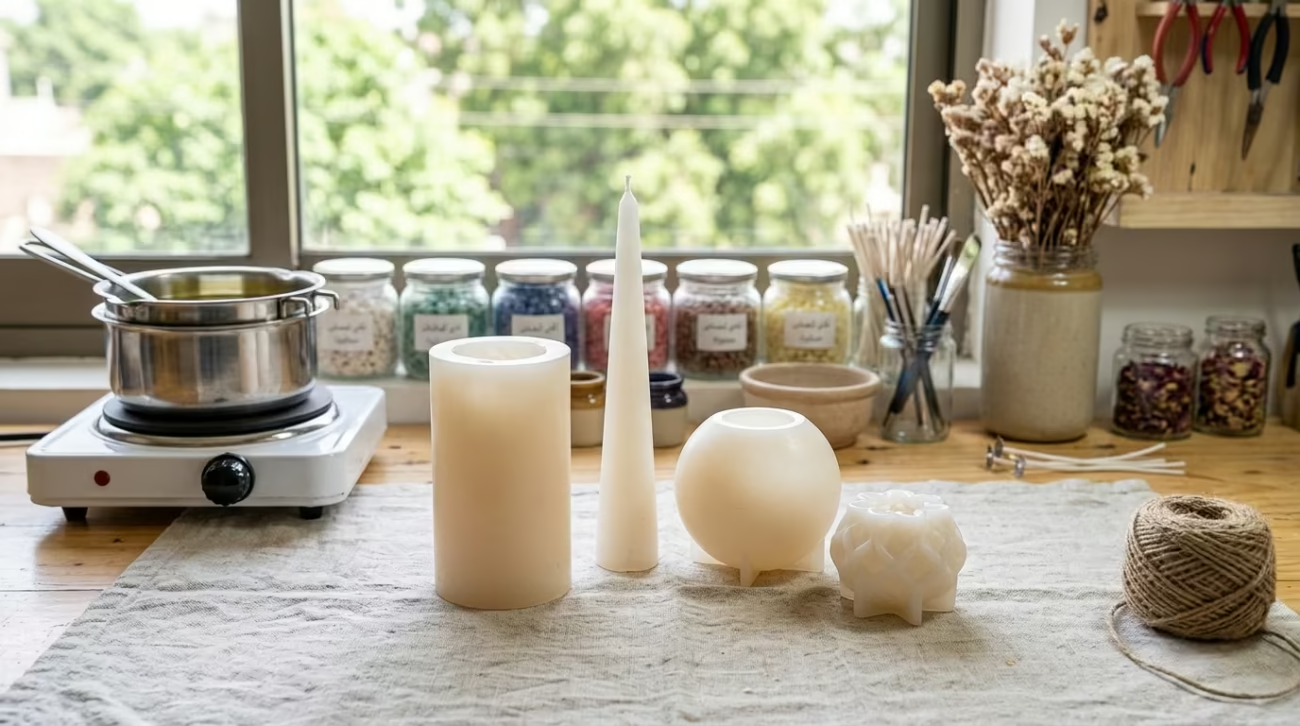


Your first candle mould is a leap of faith. Online listings are full of terms like “flexible”, “rigid”, and “easy release”, and every maker swears their mould is the best. Then your first candle arrives stuck in the mould, split down the middle, and you lose a whole afternoon and a panful of wax.
The choice between silicone vs plastic candle moulds is really a choice between two very different release philosophies. Silicone bends and pops candles out. Hard plastic stands firm and flatters sharp edges. This guide compares them on every factor a beginner actually cares about, so your first pour comes out whole. The linked first candle mould shape guide helps a new maker choose a manageable design.
How Silicone Moulds Work
Silicone moulds are soft, flexible rubber-like shapes. When the wax cools, you simply bend and peel the mould away from the candle. That flexibility is the defining advantage: a silicone mould never needs to be cut, snapped, or persuaded to give up its cargo. This connects closely with our guide on What Wax Works Best in Silicone Moulds? A Pour-Ready Guide.
The Easy-Release Advantage
Because silicone peels, it handles the shapes plastic cannot. Deep undercuts, curves, and detailed relief patterns all release cleanly when the mould flexes. Beginners love them for this reason alone. You pour, you wait, you push the candle out from the base, and the whole procedure survives the first attempt.
Silicone’s Real Trade-Offs
Silicone is soft, so sharp edges and crisp corners blur slightly. It also allows the surface to breathe a little during cure, which can leave candles with a subtly different, sometimes matte finish. Most importantly, silicone costs more than plastic, and flimsy thin silicone can pill or tear if stretched badly.
How Hard Plastic Moulds Work
Plastic moulds are rigid shells, usually made of clear PET or acrylic, that hold the candle shape through the full cooling process. They do not bend at all. To release a candle you must pull it out, tap it free, or open a two-piece mould along its seam.
The Crisp-Edge Advantage
Rigid plastic gives the sharpest, cleanest edges and the smoothest silk-like surfaces. This matters for minimalist geometric candles and any shape where a defined line is part of the beauty. If you want perfect angles, plastic wins. The clear material also lets you watch the wax level and spot air pockets while pouring.
Hard Plastic’s Frustrations
Releasing a candle from rigid plastic is the hard part. A plastic mould with no draft angle will grip the candle like a vice. Tall taper-shaped moulds and intricate plastic units fight you at every stage. Beginners often crack thin plastic shells while fighting a stuck candle, and deep shapes can come out scratched.
Comparing the Two Mould Types Side by Side
Beginners need a short, honest comparison before they spend. Both mould families have genuine strengths, and the one that fits you depends on the shapes you want to make and the patience you bring to the craft table.
- Release ease: Silicone peels away. Plastic can seize and crack.
- Edge clarity: Plastic delivers razor edges. Silicone softens detail slightly.
- Shape versatility: Silicone releases undercuts. Plastic needs draft angles.
- Durability: Both last years with care. Thin plastic snaps; thin silicone tears.
- Price: Plastic is cheaper upfront. Silicone costs more but releases better.
- Finish: Plastic gives a glossy, slick skin. Silicone can leave a softly matte face.
When Silicone Sits in Front
Choose silicone when your designs are curved, sculptural, or detailed. It is the beginner’s friend because its forgiving release keeps first attempts intact. Every candle mould collection aimed at newcomers leans on silicone heavily for this reason, and the aromatherapy shapes in the Candles Moulds range at Christmas Candles UK are mostly silicone or flexible material.
When Hard Plastic Wins
Choose hard plastic for straight-sided pillars, tapers, and geometric shapes where a razor edge is the point. Plastic moulds also allow you to pour slowly and watch the fill level, which helps avoid bubbles and voids. If your aesthetic is minimalist and sharp, plastic delivers a nose-and-mouth finish silicone cannot match.
What Beginners Should Actually Buy First
Most candle makers land on a practical start: begin with silicone for sculptural shapes and detail, and add a plastic taper or pillar mould when you want crisp columns. That cleans the learning curve, budget, and result problems all at once.
A Balanced Starter Set
A small silicone mould for learning the pour, one plastic pillar mould for crisp sides, and a digital thermometer is a complete beginner kit. You practice releasing both ways and discover your own style before investing in a pile of moulds. Buying one of each beats buying five of either.
The Teat-time Budget Rule
Moulds vary from a few pounds to thirty. Spend on silicone when versatility matters, and save on simple plastic cylinders. A taper candle mould in hard plastic is one of the cheapest and most reliable classics in the craft, and it pairs perfectly with a matching candle.
Choose a Mould That Releases Cleanly
Flexibility Helps With Detail
Silicone moulds are forgiving because the walls can flex away from the cooled wax. That feature matters when a design has ribs, curves, or small recesses. The maker should still allow the candle to cool fully before releasing it. Pulling too early can bend a warm candle. A clean mould, a level surface, and patient cooling usually protect the details. Our candle moulds range is worth a look if you want to compare a few options first.
Match the Mould to the First Project
A beginner should choose a shape that can be inspected from every angle. Simple cylinders and shallow reliefs make faults easier to find. A silicone candle mould gives the maker a reusable base for small experiments. It also helps compare wick position, fragrance load, and cooling time before a more detailed project begins.
Frequently Asked Questions
Are silicone candle moulds easy for beginners?
Yes. Silicone is widely considered the easiest mould material because it flexes and releases candles without cutting or hammering. Curved and detailed shapes come out whole on the first try, which makes silicone the most forgiving material for new makers.
Do plastic candle moulds need release spray?
Often yes. Rigid plastic grips cured wax, so a light release spray or a wipe of oil prevents seizing. Silicone usually needs no spray because it flexes instead of gripping. Follow the mould’s own instructions, since blended materials behave differently.
Why did my candle crack inside a plastic mould?
Rigid plastic does not expand as wax contracts and cools, which builds stress on the candle. Fast cooling also adds stress. Cool the candle slowly, at room temperature, and consider silicone for shapes that crack repeatedly. Some designs simply need flexibility to survive.
Can I use a silicone mould for soap as well as candles?
Usually yes. Most silicone moulds marked for candles, resin, plaster, or soap are compatible across those materials. Check the temperature rating, because candle wax heats the mould hotter than cold soap mixtures. Cooling slowly protects both the mould and the finished piece.
What is the best mould material for a pillar candle?
For a crisp, straight pillar, hard plastic delivers the sharpest edges and smoothest surface. For a freeform or sculpted pillar, silicone releases the curves cleanly. Many crafters own both and match the material to the silhouette they want.
How do I stop wax sticking to a plastic mould?
Warm the mould slightly before pouring, use a light release agent if recommended, and never rush the cooling. Leaving the candle to fully set at room temperature lets it shrink slightly from the walls naturally, which is most of the battle. Tap the mould gently to encourage separation.
Do silicone moulds wear out quickly?
Quality silicone lasts for years of regular use if you wash it in warm soapy water, dry it fully, and keep it away from sharp tools and open flames. Thin budget silicone can tear where it flexes hardest. Treat silicone well and it outlives cheaper plastic moulds.
Where can I find a good starter mould?
The candles moulds range at Christmas Candles UK carries both silicone and plastic options, including classic taper candle moulds for crisp columns. For makers who want detail and curves, the collection’s silicone shapes give beginners the flexible start they need.
Conclusion
Silicone vs plastic candle moulds is not a competition with a universal winner. Silicone flexes, releases every curve, and forgives beginners. Plastic stands rigid, flatters crisp edges, and rewards patience. The smart first purchase is one of each, matched to the candle style you want to master first.
Start with a shape you would actually love to burn, buy the matching mould type, and practise the pour. Explore the candles moulds range at Christmas Candles UK, including a classic taper candle mould in rigid plastic for your cleanest columns yet.